Which Engine Degreaser Should You Use?
SFP
Reading time: 17 minutes

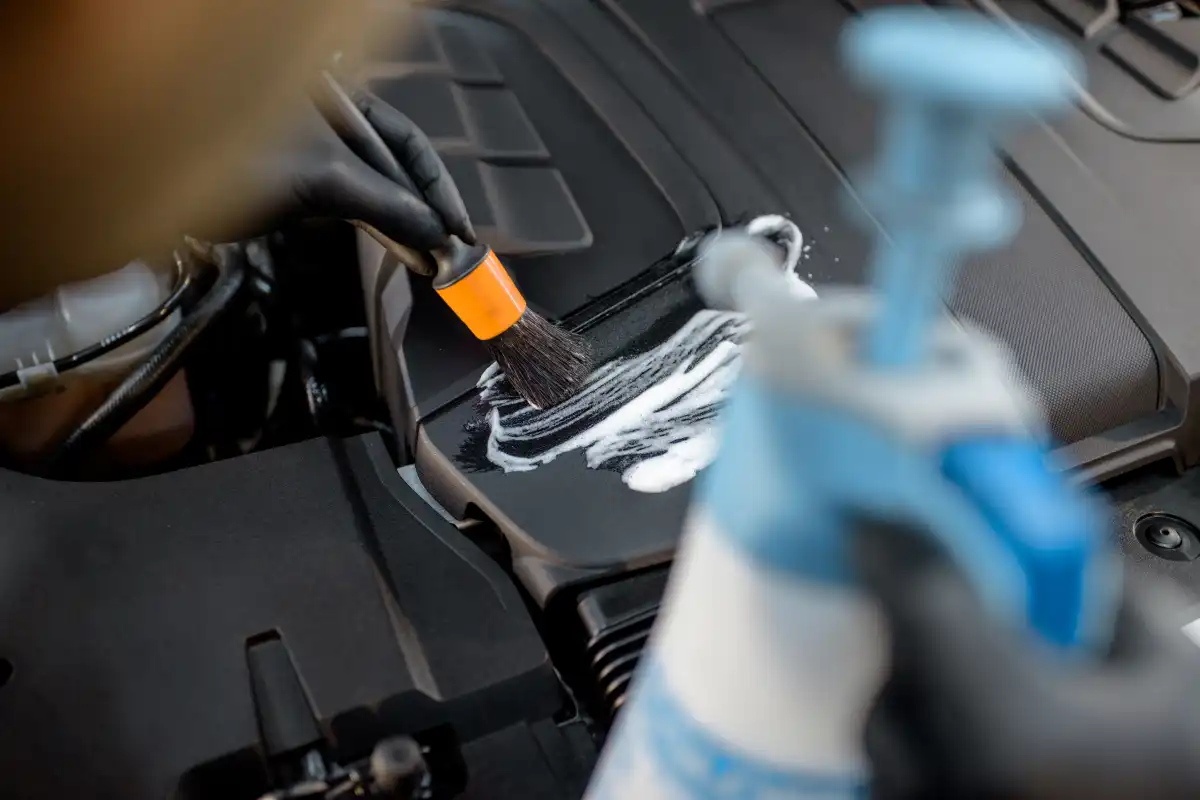
An engine degreaser is a specialized cleaning product designed to remove oil, grease, dirt, and grime from your vehicle’s engine and engine bay components. Whether you’re prepping for a car show, trying to spot a pesky oil leak, or just doing routine maintenance, an engine degreaser is your best friend when it comes to cutting through years of grime.
This guide explains the main types of engine degreasers, their strengths and weaknesses, and how to select the best option for your specific needs. By the end, you’ll know which product delivers the right balance of cleaning power, safety, and convenience for your vehicle.
Each engine degreaser in this guide was evaluated through a controlled series of real-world cleaning tests designed to measure both performance and usability. Testing was conducted on a mix of gasoline and diesel engines with varying levels of buildup, from light road film to heavy, baked-on oil deposits.
| Product | Best For | Standout Features |
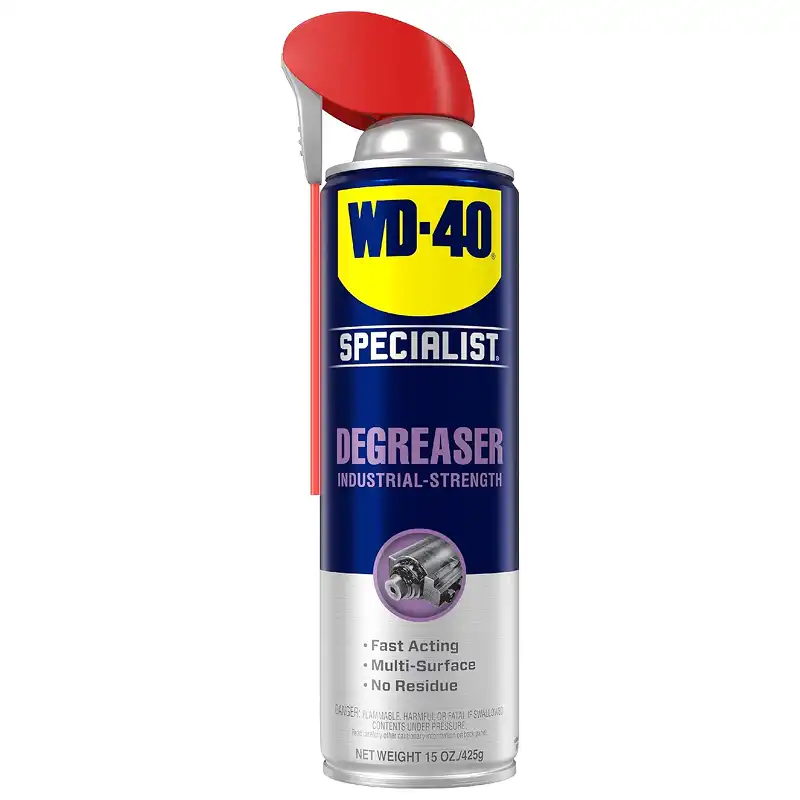
| WD-40 Specialist Degreaser with Smart Straw | Heavy oil and grease buildup | Powerful solvent-based formula, fast acting, precision spray control |
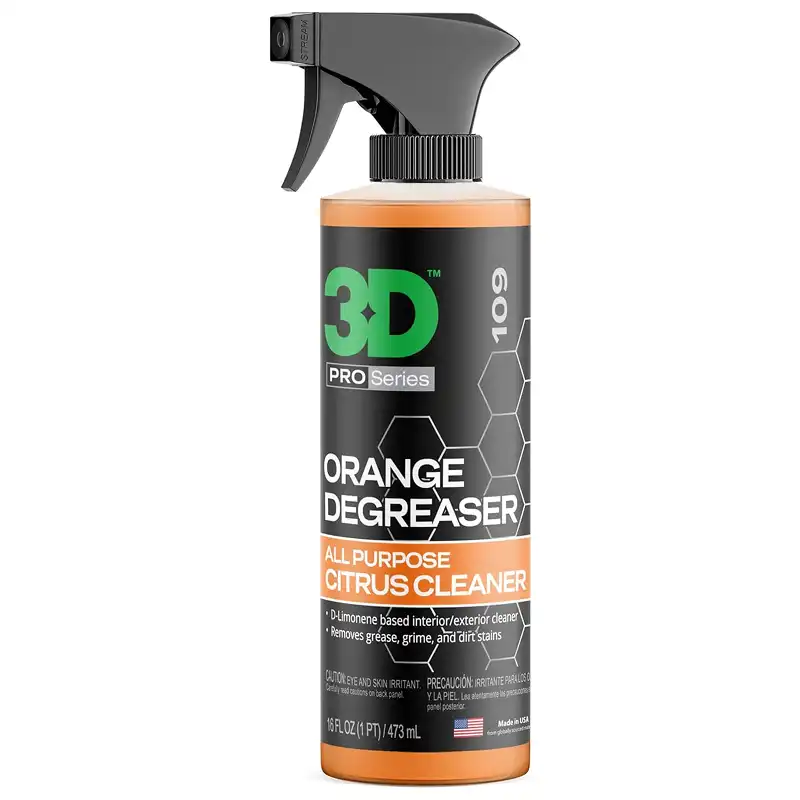
| 3D Orange Degreaser | Regular maintenance and eco-conscious cleaning | Water-based citrus formula, biodegradable, safe for rubber and plastic |
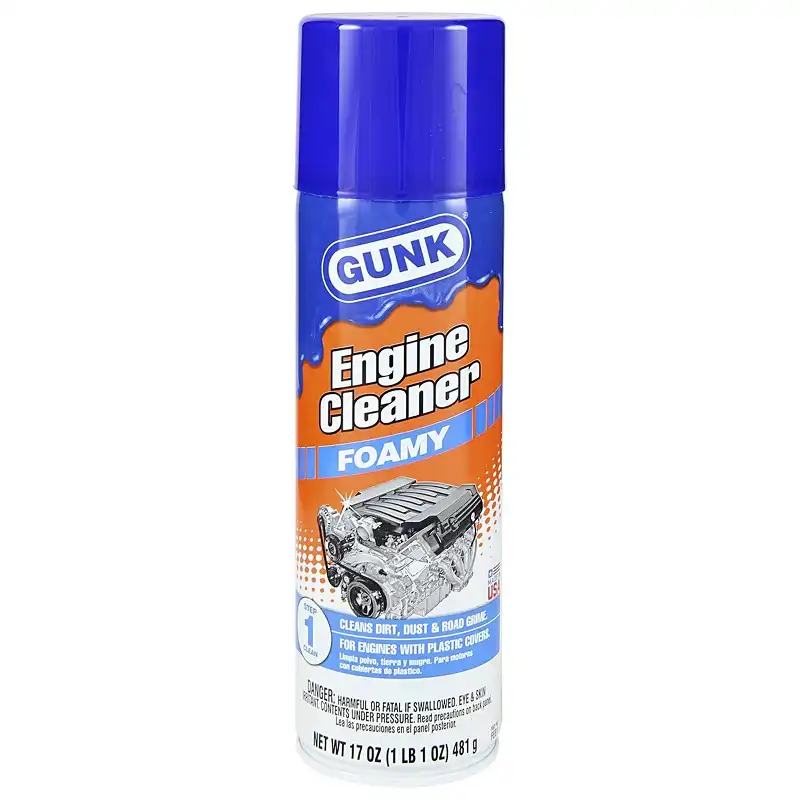
| Gunk FEB1 Foamy Engine Brite | Spot cleaning and detailing | Foaming action clings to surfaces, reduces runoff, easy rinse-off |
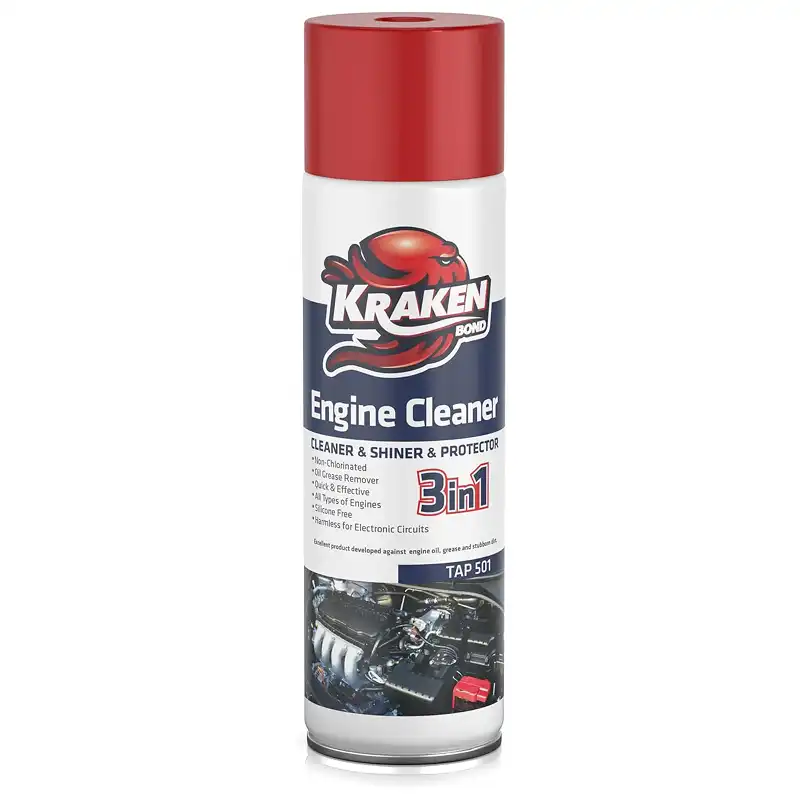
| Kraken Bond Engine Cleaner Spray | Quick, light-duty cleanups | Aerosol application, moderate cleaning strength, convenient size |
Before choosing an engine degreaser, it’s important to understand how different features impact performance, safety, and compatibility.
Heavy-duty solvent-based degreasers excel at removing thick layers of oil and grime, while water-based options are better suited for light maintenance. Consider the condition of your engine bay—older or neglected engines often require stronger products, whereas newer vehicles benefit from gentler formulations.
Some degreasers can be too aggressive for rubber hoses, painted surfaces, or plastic components. Always check the label to confirm compatibility with your vehicle’s materials. If you’re unsure, start with a water-based or citrus-based product to reduce the risk of damage.
Eco-conscious products use biodegradable surfactants that minimize harm to the environment. These formulations are ideal for home use, especially if you’re cleaning on a driveway where runoff could enter drains.
Degreasers come in different delivery formats including liquid, foam, and aerosol. Foaming sprays cling to vertical surfaces, providing better dwell time. Aerosols are quick and convenient, while concentrated liquids allow for dilution and bulk use.
Strong chemical degreasers may release fumes that require outdoor use or well-ventilated areas. Always wear gloves and eye protection when handling solvent-based formulas.
Cost varies depending on concentration and volume. A concentrated water-based product can be more economical for regular cleaning, while a smaller can of solvent-based degreaser may be worthwhile for deep cleaning sessions.
Selecting a degreaser often comes down to how and where you’ll use it. Below are the best options for specific situations.
Why It Stands Out: WD-40 Specialist Degreaser stands out for its professional-grade cleaning strength and material safety. Its water-based, non-corrosive formula cuts through oil, grime, and residue with precision, while built-in corrosion inhibitors protect metal components after cleaning. Unlike traditional solvent-heavy formulas, it offers industrial performance without the flammability or harsh odor, making it one of the most trusted choices for deep engine cleaning.
Best For:
Pros:
Cons:
Why It Stands Out: 3D Orange Degreaser distinguishes itself with a biodegradable citrus-based formula that combines effective grease removal with surface safety. Powered by natural d-Limonene, it lifts dirt and oil without relying on caustic solvents, making it suitable for frequent use on plastics, rubber, and painted surfaces. Its balance of eco-conscious design and professional cleaning power makes it a standout for routine engine maintenance.
Best For:
Pros:
Cons:
Why It Stands Out: Gunk Foamy Engine Brite is recognized for its unique foaming technology that clings to vertical and hard-to-reach surfaces, maximizing contact time and cleaning efficiency. The thick foam dissolves grease and grime without excessive runoff, providing even coverage and reliable performance. Its ability to deliver targeted cleaning power has made it a trusted choice among mechanics and detailers for decades.
Best For:
Pros:
Cons:
Why It Stands Out: Kraken Bond Engine Cleaner Spray stands out for its precision-engineered aerosol design that combines speed, convenience, and surface safety. It penetrates light to moderate grime effectively while remaining safe for use on electrical components, plastics, and painted areas. Its quick-acting formulation and residue-free finish make it an efficient option for regular engine bay touch-ups.
Best For:
Pros:
Cons:
Engine degreasers break down and lift oil, grease, and grime using a combination of surfactants, solvents, and emulsifiers. These ingredients work together to dissolve hydrocarbons (the oily residues that collect on engine components) and suspend them in a liquid form that can be rinsed away.
In short, the degreaser softens and separates grime from the surface, while your rinse or wipe removes the residue. This chemical balance is why a dedicated engine cleaner performs far better than household soaps or general-purpose cleaners, which often lack the right solvent strength and can leave behind film or residue.
Even the best product can cause problems if used incorrectly. Avoiding these common mistakes ensures a clean, safe, and professional-looking finish every time.
Heat can cause the product to evaporate too quickly, reducing its effectiveness and potentially releasing fumes. Always allow your engine to cool before applying any cleaner.
Pressure washers can force moisture into electrical connectors and sensors, leading to shorts or corrosion. A low-pressure rinse is always safer and sufficient for most cleaning tasks.
Spraying too much degreaser directly onto alternators, fuse boxes, or wiring harnesses can cause damage. Cover these areas before applying any product.
When degreaser dries, it can leave stains or residues on aluminum and painted parts. Always monitor dwell time and rinse before it begins to dry.
Each formulation has specific dilution ratios and surface compatibility. Reading the label ensures you’re using the right product for your engine materials and conditions.
Avoiding these missteps keeps your engine bay safe while ensuring the best cleaning results possible.
Not all engine degreasers are created equal. Some are designed to blast through baked-on sludge, while others are gentle enough for routine touch-ups on newer vehicles. Choosing the right one can make or break your cleaning job.
Let’s break down the different types of engine degreasers so you can pick the one that works best for your vehicle and your goals.
Solvent-based degreasers are the heavy-duty option. These are made with petroleum or chemical solvents that are designed to cut through thick grease, oil, and gunk fast. They’re powerful, which makes them ideal for really dirty engines or for professional use.
Pros:
Cons:
When to use: If you’re dealing with a neglected engine or trying to remove years of grease, a solvent-based degreaser is your best bet. Just make sure to work in a well-ventilated area and protect sensitive components.
Water-based degreasers are a gentler alternative. They use surfactants and other biodegradable ingredients to break down grease without the harsh chemicals. Many of these are non-toxic and safer to use at home.
Pros:
Cons:
When to use: Water-based degreasers are perfect for regular maintenance, newer cars, or anyone who prefers a more eco-conscious approach. They’re a great choice for engine bays that are only mildly dirty.
Some degreasers come in a foam spray form. These cling to vertical surfaces better, which gives them more time to break down grime before rinsing.
Pros:
Cons:
When to use: Foam degreasers are ideal for detailing or for spot cleaning specific areas of the engine without overspray.
These are convenient spray-can versions of degreasers that are great for quick jobs. They often combine ease of use with moderate cleaning power.
Pros:
Cons:
When to use: These are great for people who want a quick, no-fuss cleanup before a car show or for regular maintenance.
Using an engine degreaser can make your engine bay look brand new, but doing it the wrong way can lead to damage or even safety hazards. Whether you’re a first-time DIYer or just need a refresher, here’s a step-by-step guide to using engine degreaser the right way.
Never apply degreaser to a hot engine. It can burn off too quickly, create dangerous fumes, or even cause parts to crack due to the sudden temperature change. Wait at least 30 to 45 minutes after driving before starting the cleaning process.
If you’re worried about water getting into electrical parts, it’s a good idea to disconnect the battery. This isn’t always necessary, but it adds an extra layer of protection, especially on older vehicles.
Use plastic bags or cling wrap to protect electrical components. Focus on areas like the alternator, fuse box, battery terminals, exposed wiring, and the air intake. Secure everything with rubber bands or painter’s tape so water and degreaser don’t get inside.
Before spraying anything, take a minute to brush off leaves, dust, or any other loose debris. You can use a soft detailing brush or compressed air. This makes the degreaser more effective on actual grease and grime.
Spray the degreaser evenly across the engine bay, focusing on greasy or oily areas. Avoid soaking anything too heavily. Let it sit and break down the grime for about 5 to 10 minutes. If your engine is extremely dirty, you can gently agitate the surface with a brush during this time.
Use a low-pressure water source, like a garden hose or a spray bottle filled with clean water. Avoid pressure washers, which can force water into sensitive areas. Rinse until the degreaser is gone and the engine looks clean.
Dry everything with microfiber towels or use compressed air to blow out water from tight spots. This step is important to prevent electrical issues and corrosion. If you disconnected the battery earlier, now is the time to reconnect it.
If you want your engine bay to really shine, apply a plastic or rubber dressing to hoses and covers. This gives it that detailed, showroom look and helps protect surfaces from cracking or fading.

Using an engine degreaser can be a game-changer for cleaning up your engine bay, but there are a few important precautions to keep in mind. Here’s what you need to watch out for to avoid damaging your vehicle or creating a safety issue.
Spraying degreaser on a hot engine can cause it to evaporate too quickly, which reduces its cleaning power. Even worse, it can create harmful fumes or cause thermal shock that may crack certain engine parts. Always wait until the engine is cool to the touch before starting.
High-pressure water can force moisture into places it doesn’t belong, like electrical connectors or sensors. This can lead to short circuits, corrosion, or starting problems. Use low-pressure water from a garden hose or spray bottle for rinsing instead.
Engine bays are full of sensitive electronics, especially in modern cars. Before applying degreaser, take the time to cover the battery, alternator, fuse box, and any exposed wires with plastic or foil. This helps prevent water and chemicals from getting inside and causing damage.
Not all degreasers are safe for all surfaces. Some solvent-based products can damage rubber hoses, painted parts, or plastic trim. Always read the label and make sure the degreaser is compatible with your vehicle’s materials.
Letting degreaser dry on your engine can leave behind residue or stains, especially on painted or aluminum surfaces. Set a timer and rinse it off before it starts to dry out. If the grime is really stubborn, apply a second round instead of letting the first one sit too long.
Degreaser and oily grime can be harmful to the environment. Try to clean your engine over a drip pan or on a surface that won’t wash directly into storm drains. Some water-based degreasers are biodegradable, but it’s still best to be cautious with where the runoff goes.
Degreasers, especially solvent-based ones, can give off strong fumes. Always work in a well-ventilated area. Outdoors is best. If you have to work indoors, make sure there’s good airflow and avoid breathing in the mist.
Modern engine degreasers are formulated to be safer and more environmentally responsible than ever before, but proper use and disposal still matter.
Always wear nitrile gloves and eye protection when using solvent or water-based degreasers. Even mild formulas can cause irritation with prolonged contact. Ensure the area is well (ventilated, outdoors is ideal) or use a fan to maintain airflow if working indoors.
Engine runoff can contain oil, metal particles, and detergents that shouldn’t enter storm drains. Work over a concrete surface or drip tray and avoid rinsing directly into driveways or soil. If possible, wipe up excess product with absorbent towels before rinsing.
Many modern water-based degreasers are biodegradable and phosphate-free, reducing their impact on waterways. Look for labels noting “biodegradable,” “non-toxic,” or “VOC compliant” for safer at-home use.
Used rags and absorbent materials should be placed in sealed bags and disposed of according to local waste management guidelines. Avoid dumping diluted product directly into drains or onto grass.
By taking simple precautions, you can maintain both a clean engine bay and a clean environment.
The right engine degreaser depends on your vehicle’s condition and your maintenance habits. For maximum cleaning strength, WD-40 Specialist Degreaser offers professional-grade performance with excellent safety. For frequent, eco-friendly cleaning, 3D Orange Degreaser remains a standout. Foam or aerosol options like Gunk FEB1 and Kraken Bond add convenience for quick detail jobs.
Whichever product you choose, follow proper application and safety practices to protect your components and the environment. A clean engine bay isn’t just about looks—it’s about performance, longevity, and pride in your vehicle.
By paying attention to these details, you can get a clean engine without damaging anything or putting yourself at risk. A little caution goes a long way when working under the hood. Looking to level up your detailing game? Our full guide, The Only Exterior Detailing Products Guide You’ll Ever Need, breaks down the best exterior detailing products to clean, protect, and shine your car from top to bottom.
ChatGPT said:
The most effective products for removing oil from an engine are heavy-duty degreasers, including citrus-based formulas and dedicated engine cleaners designed to dissolve grease and grime quickly. For a milder, at-home solution, a simple mix of dish soap and water or a diluted all-purpose cleaner can work for light buildup.
Avoid using WD-40 on plastic, rubber, or painted surfaces, as prolonged exposure can cause these materials to weaken or discolor. It should also never be applied to areas that contact food, gas appliances, or electrical components, since the formula is flammable and not rated for food safety.
Mechanics typically rely on engine degreasers, brake cleaners, and professional-grade hand soaps to remove oil from parts, tools, and skin effectively.