Is a Car Squeegee Safe? Pros, Cons & Alternatives
SFP
Reading time: 11 minutes

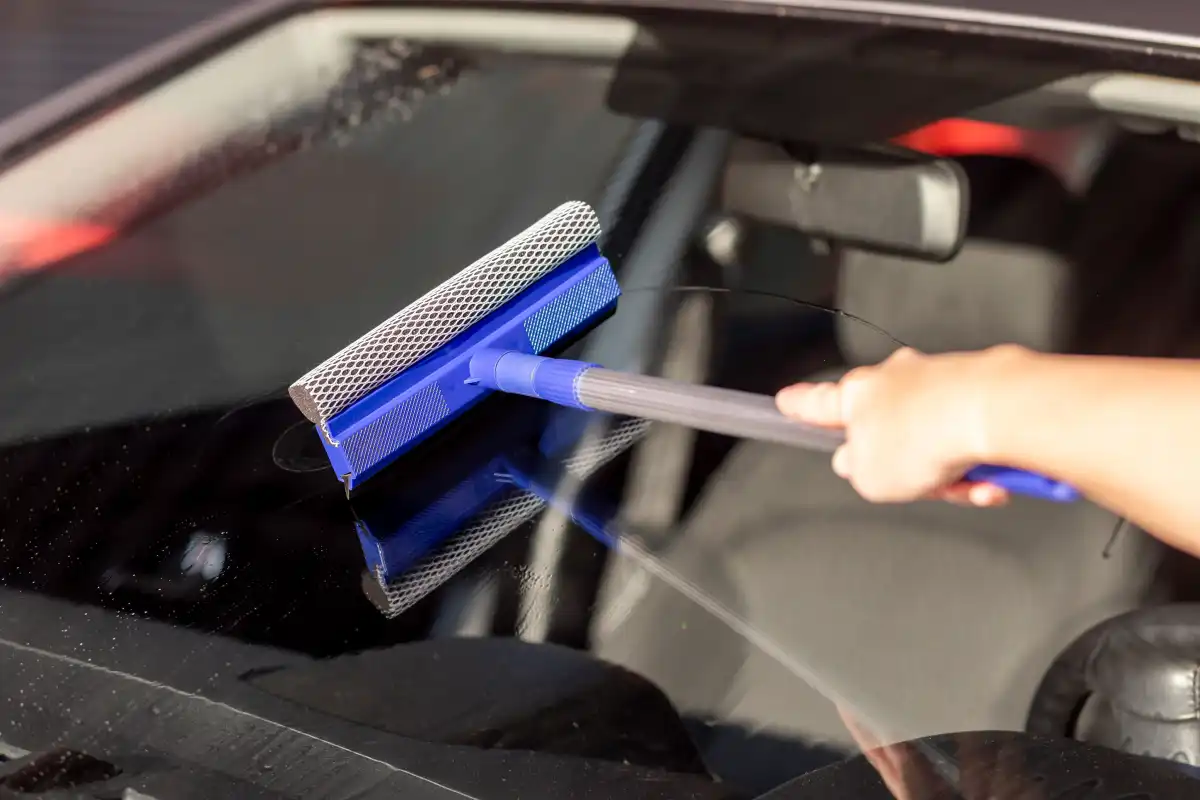
A car squeegee might look like a simple tool, but when it comes to drying your vehicle, it sparks a big debate: is it safe or does it risk scratching your paint? I’ve tested them on different cars over the years, and while they can save time by pulling water off large panels, they also come with some drawbacks most drivers don’t realize until it’s too late. In this guide, I’ll break down the pros and cons, show you how to use one safely, and share alternatives that might be a better fit for keeping your car spotless.
A car squeegee is a detailing tool with a soft rubber or silicone blade designed to pull water off your car after washing. Unlike household window squeegees, it’s built to flex across paint and curved panels without streaking.
Why does this matter? Drying quickly is one of the best ways to prevent water spots, and a car squeegee can cut drying time in half compared to towels. But there’s a catch: if even a small amount of dirt or grit is left on the surface, dragging a squeegee across paint can cause scratches. That’s why many detailers treat it as a time-saver for clean, flat panels—but risky on darker paint or heavily contoured areas.
Both a car squeegee and a microfiber towel can get the job done, but they work in very different ways. A squeegee removes water fast by pushing it off in large sheets, which can save time on big panels like the hood or roof. Towels, on the other hand, absorb water instead of pushing it, making them safer on delicate paint and better for tight areas like mirrors or door handles.
So which is better? If your car is spotless and you want speed, a squeegee can be handy. But if you value safety above all, microfiber towels are the clear winner. They’re far less likely to trap grit, they conform to curves and crevices, and they won’t scratch when used properly. In fact, many detailers use both: a squeegee to knock down most of the water quickly, then towels for finishing touches.
Conclusion: Use a squeegee when time matters and the surface is perfectly clean, but rely on microfiber towels when you want the safest, most reliable finish.
There are several types of car squeegees, each designed for specific tasks and surfaces. Choosing the right one depends on your vehicle size, the surfaces you’re drying, and how much detailing you do.
These are the most common type for drying car paint. They have a wide, soft silicone blade that bends easily to fit the curves of your car. Water blades are ideal for large panels like the hood, roof, and doors. Some come with handles, while others are simple hand-held designs. They’re popular because they remove a lot of water quickly without much effort.
T-bar squeegees have a traditional window-cleaning shape with a handle and a straight blade that forms a T. These are mostly used for glass surfaces like windshields and windows. The blade is usually made of rubber and gives a streak-free finish on flat glass. They’re not the best for curved or painted surfaces but work great for auto glass.
These have extendable handles that make it easy to reach high or hard-to-access areas. They’re perfect for tall vehicles like trucks, vans, and SUVs. Most telescoping squeegees come with a water blade or a sponge on one side and a rubber blade on the other. This makes them useful for both washing and drying in one go.
Mini squeegees are small, portable, and great for detail work. They’re perfect for tight spaces like side mirrors, headlights, or emblems. Some detailers also use them to help apply window tint or vinyl wraps. While not ideal for drying large surfaces, they are handy for touch-ups and quick cleanups.
Each type of squeegee has its own benefits, so it’s not uncommon for detailers to keep more than one in their kit for different tasks.
A car squeegee can be safe, but only under the right conditions. The blade itself, usually made of silicone or soft rubber, is not harmful to paint. The real risk comes from dirt or grit left on the surface. If any particles are present, dragging a squeegee across the panel can create scratches that are hard to remove.
Car color and finish also matter. On light-colored cars, fine scratches may be less noticeable. On dark or glossy finishes, even a small mistake can show immediately. This is why many professional detailers avoid squeegees on paint altogether, using them only on glass and large, flat panels.
The safest way to use a car squeegee is right after a thorough wash and rinse, while the surface is still wet and clean. Light pressure, frequent blade cleaning, and following up with microfiber towels can reduce the risk. If you want a completely worry-free option, drying towels or a blower are safer alternatives.
Using a car squeegee the wrong way can leave permanent marks on your paint. Follow these steps to get the speed of a squeegee without the risk:
Tip: Never use a car squeegee in direct sunlight. Heat can cause water to dry too quickly, leaving spots before you can remove them.
Even if you follow the right steps, these common mistakes can undo your hard work and put your paint at risk:
Avoiding these mistakes is just as important as the technique itself. A well-kept squeegee can save you time, but a careless pass on dirty paint can leave permanent marks.
If the idea of dragging a blade across your paint makes you nervous, you are not alone. Many professional detailers prefer other drying tools that are safer and just as effective. Here are the most common alternatives:
High-quality microfiber towels are the safest option for most car owners. They absorb water instead of pushing it and conform to curves, edges, and tight areas. Large drying towels can handle big panels quickly, and they reduce the chance of scratches when used on a clean surface.
Touchless drying is becoming more popular, especially for dark-colored or show cars. A car blower uses filtered air to push water off the paint without contact. It is ideal for drying grilles, wheels, and trim where towels and squeegees struggle.
| Tool | Pros | Cons | Best For |
| Car Squeegee | Very fast on large panels, reduces towel use | Can scratch if dirt is present, risky on dark paint | Quick water removal on flat, clean panels |
| Microfiber Towels | Safest option, absorbs water, works on curves | Requires multiple towels, more laundry | Everyday car drying, sensitive paint |
| Car Drying Blower | Touchless, safe for all finishes, great for trim | More expensive, needs power source | Dark cars, show cars, spot-free drying |
If you decide to try a car squeegee, here are a few options I’ve either used myself or seen other detailers rely on. Each one has a slightly different purpose, so the right choice depends on your car and routine.

This one is great if you just want speed. The soft silicone blade bends across hoods and roofs without much effort. I used it on a mid-size SUV and could clear most of the roof in under a minute. It is not my first choice on dark paint, but for lighter colors it does the job well.
You can check out the QWORK 12-Inch Flexible Car Water Scraper on Amazon

If you are mainly concerned about streak-free glass, this tool is the safer bet. It works more like a classic window squeegee and pairs well with a good glass cleaner. I find it useful for windshields, but I avoid using it on paint.
Take a look at the 15.9″ T-Bar Window Squeegee for Cars available here

The telescoping handle makes it easy to reach the roof of a truck or van without a step stool. It also has a sponge on one side, which makes it handy for quick washes on the go. It is a bit bulky, but for large vehicles it saves time.
Find more details about the DSV Standard Telescoping Squeegee on Amazon

This small squeegee is one I keep in my kit for mirrors and headlights. It is too small to dry a whole car, but it is perfect for tight spots where towels do not reach. I have also used it for vinyl wrap installs, and it worked surprisingly well.
Pick up the FOSHIO Small 5-Inch Rubber Blade Squeegee right here
A car squeegee can save time when drying your car, but it comes with risks if the surface is not spotless. For the safest results, most car owners will be better off with microfiber towels or a blower. If you decide to use a squeegee, keep the blade clean, use light pressure, and follow up with a towel for the best finish.
Car squeegees make drying faster and safer, but they work best alongside other essential tools. Explore our In-Depth Guide to Car Detailing Tools to see how each tool fits into a complete detailing system.
A car squeegee is used to remove water from a vehicle’s surface after washing. It helps speed up drying, prevent water spots, and reduce towel use.
No, household window squeegees are not recommended for cars. They often have stiffer blades and rigid frames that can scratch automotive paint or leave streaks on curved surfaces.
Yes, as long as the surface is clean and the squeegee has a soft rubber or silicone blade. Using it on dirty paint can cause scratches.
Not completely. A squeegee is great for large panels, but you’ll still need towels for tight spots, touch-ups, and final detailing.