Surface Damage Car Repairs: DIY Fixes
SFP
Reading time: 6 minutes

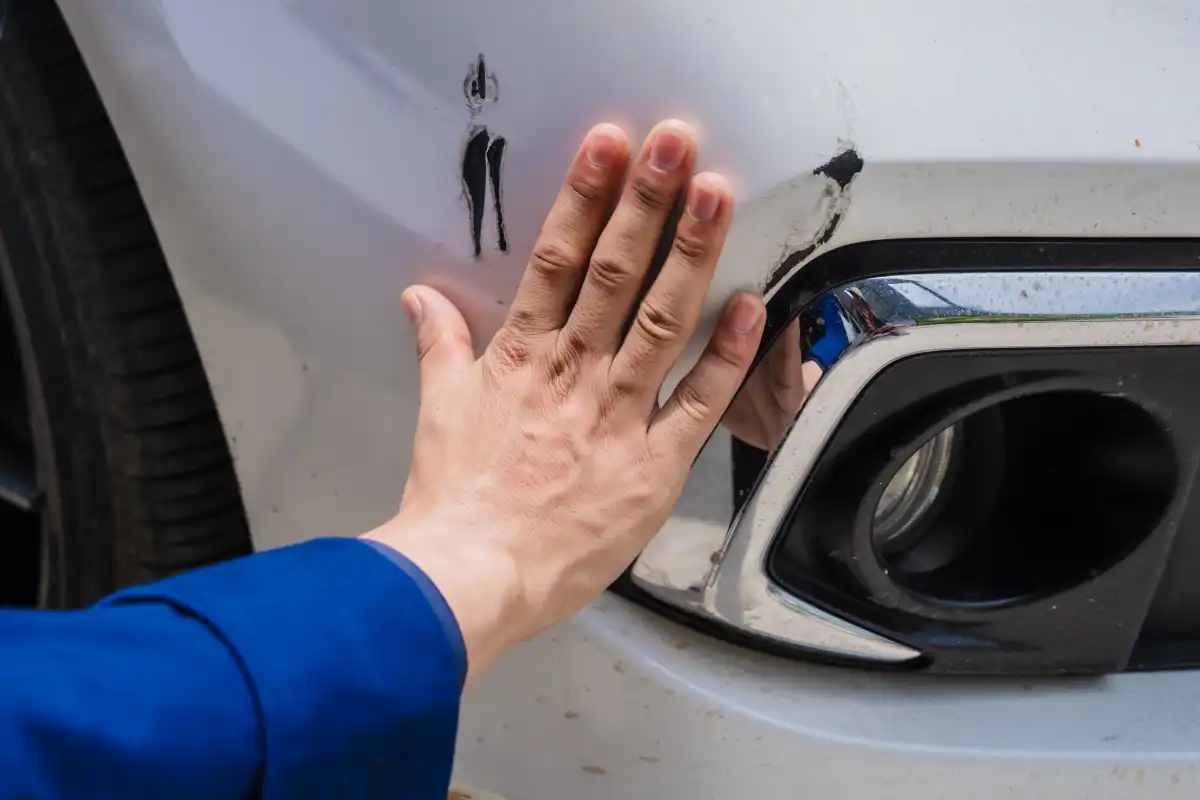
Surface damage car repairs are essential for keeping your vehicle looking sharp and preventing minor scratches, chips and paint imperfections from turning into costly problems. The good news is that many of these issues are fixable at home with the right tools and techniques. In this guide, I walk through how to identify paint damage, how to repair it and how to choose the right products for a flawless result.
A proper inspection is the foundation of any surface repair. Start with a clean vehicle. Dirt hides defects and makes them harder to evaluate. Move the car into bright light or shine a handheld inspection lamp across the surface. This angle lighting helps you identify swirls, scratches and uneven paint textures.
Use the fingernail test to understand the severity of each scratch. If your nail glides across the scratch without catching, the damage is likely superficial and can be corrected with a polish. If it catches, the scratch may need touch up paint or wet sanding.
Most repairs require only basic detailing tools. Professional detailers rely on the same items:
Each tool serves a clear purpose. IPA removes contaminants that interfere with paint bonding. Sandpaper levels raised edges. A DA polisher restores clarity after correction work. This combination allows you to handle most repairs with confidence.
Rock chip repair is straightforward when approached systematically. After washing the area, use IPA to wipe away any wax or oils. This ensures the new paint adheres properly. Use a toothpick or micro brush to apply a small drop of touch up paint directly into the chip. Let the paint settle naturally. Avoid smearing, as this creates uneven coverage.
If you are using a Dr. Colorchip kit, follow the instructions for the blending solution. Many drivers prefer this system because it helps remove excess paint without cutting into the surrounding finish.
Once the paint dries, evaluate the area. If the chip still appears shallow or uneven, repeat the process. For a perfectly level surface, use wet sanding with 2000 grit paper followed by compound and polish. This creates a smooth finish that blends into the surrounding paint.

Light scratches and swirls are usually restricted to the clear coat. These defects can be removed with a polish or compound using a DA polisher. Begin with a mild polish and evaluate your results before increasing aggression. Professional detailers always start with the least abrasive option.
Apply a small amount of polish to a foam pad and work the area in overlapping passes. The polishing action removes a thin layer of clear coat, which eliminates the scratched portion and restores a uniform shine. Finish with a soft finishing pad and a fine polish to enhance gloss.
Wet sanding is an advanced technique reserved for more noticeable imperfections or raised edges around a repaired chip. The process levels the paint so it appears uniform. Soak 2000 grit sandpaper in clean water for at least five minutes. This softens the paper and reduces the risk of scratching.
Sand lightly using straight motions. Never apply heavy pressure. Once the surface is level, use compound and then a finishing polish to restore clarity. Sanding will always leave haze, and polishing is required to correct it.
For a detailed walkthrough on fixing cloudy or yellowed headlights, check out How to Restore Headlights: A Complete Step-by-Step Guide.
Surface damage car repairs costs depend on the severity of the defect and whether the work is done professionally or at home. Light scratches and swirls typically cost 50 to 150 dollars to correct, while rock chips and small paint defects often range from 50 to 300 dollars. More advanced repairs that require wet sanding or machine correction can reach 300 to 800 dollars due to the higher skill and time involved. DIY repairs are much more affordable, with most materials costing between 20 and 80 dollars.
Regular maintenance helps prevent surface damage by using proper washing and drying techniques, applying protective products like wax or sealant and being mindful of parking conditions. Routine inspections allow you to address small defects early, which keeps your vehicle’s paint in better condition over time.

DIY surface damage car repairs works best for light to moderate defects. Some situations require a trained paint technician. If you notice clear coat failure, peeling, rust or deep scratches that expose bare metal, a professional repair is the safest option. These cases require specialized tools and refinishing techniques that go beyond at-home detailing.
Work in a shaded, well-ventilated area, wear gloves and safety glasses and test new products on a small spot before full application. Use light pressure when sanding or polishing and handle tools like heat guns carefully to avoid damaging the paint.
Most surface damage car repairs can be handled at home with the right tools and techniques. By identifying defects accurately, repairing them carefully and maintaining good habits, you can keep your vehicle’s paint in strong condition. Professional help is only needed for more severe issues.
If you want a broader look at how different forms of paint damage develop and how to identify them before beginning any repair, refer to Car Surface Damage: Complete Guide.
Light scratches and swirl marks are generally the easiest to repair because they only affect the clear coat. A mild polish and a dual action polisher are often enough to restore clarity.
Yes. Most small rock chips can be repaired at home using touch up paint or a kit such as Dr. Colorchip. Repair quality depends on proper cleaning, accurate paint application and patience during layering.
Use the fingernail test. If your nail catches in the scratch, it has likely penetrated deeper into the paint and may require touch up paint or wet sanding. If it does not catch, polishing is usually enough.
Touch up paint typically dries within several hours, although drying time varies with temperature, humidity and paint type. A heat gun can speed up the process, but it should be used carefully to avoid overheating the area.
Professional help is recommended for deep scratches that expose primer or metal, areas with clear coat failure, peeling paint or rust. These conditions require specialized refinishing techniques that go beyond standard at-home repairs.