Must-Have Car Detailing Tools for Beginners
SFP
Reading time: 6 minutes

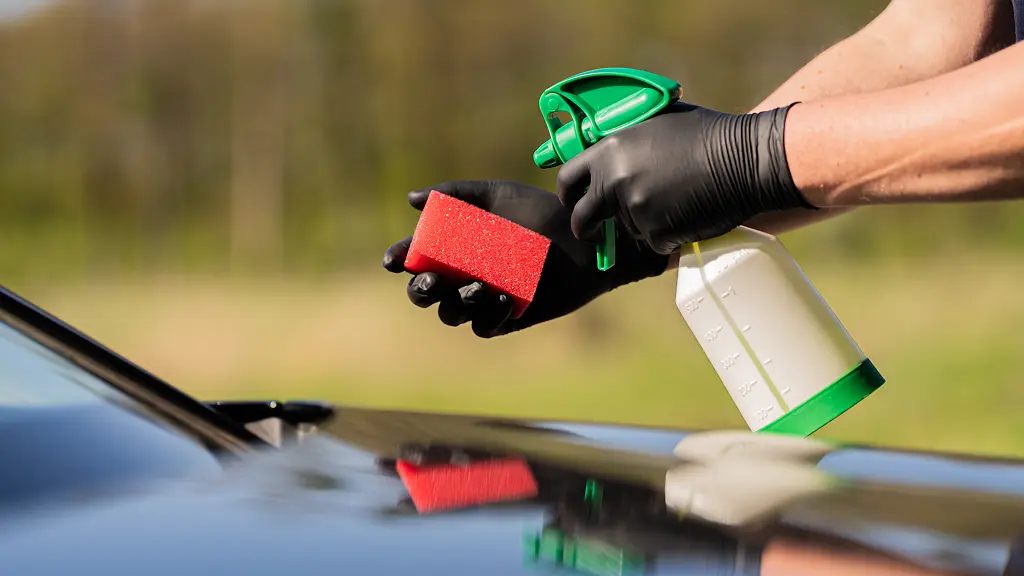
Car detailing tools can make or break your results—especially when you’re just starting out. Walk into any auto store or scroll through Amazon, and you’ll see hundreds of options: buffers, soaps, sprays, vacuums, brushes, cannons… it’s overwhelming.
The first time I tried to wash my car, I spent $80 on random products, scratched my hood, and gave up halfway through. I thought I was saving money but I was wrecking my paint job and wasting time.
If you’re just getting started, here’s what I wish someone had told me: You only need a handful of affordable, easy-to-use tools to get professional-looking results. I’m going to walk you through them step by step so you don’t make the mistakes I did.
For anyone looking to master the basics of car care, the Ultimate Car Detailing Guide for Beginners is the perfect place to start.Look, I didn’t grow up detailing cars. I learned by trial, error, and a whole lot of YouTube. If you’re just starting, this article will show you the exact car detailing tools I use today as a confident weekend detailer to get pro-level results.
In this section, I’ll walk you through the exact products I wish I had on day one. These are the tested tools that helped me go from confused newbie to confident weekend detailer.
Each item below is beginner-friendly, and easy to use even if you’ve never detailed a car in your life.
Let’s break them down, one by one.
These aren’t just fancy towels. Microfiber traps dirt and lifts it away from the surface—so you’re not dragging grit across your paint. Skip the gas station ones; they leave lint and cause swirls.
Start with 10-12. Use different ones for drying, windows, interior, and buffing.
Tip: Color-code your towels so you don’t mix wax towels with wheel towels (trust me on this one).
One bucket for soap, one for rinsing. This keeps dirt out of your clean water and prevents you from grinding debris into your car.
What You Need:
No grit guards? Rinse your mitt often and don’t scrub too hard.
Microfiber or wool mitts glide over paint and hold more suds than sponges. Sponges trap grit – mitts release it.
Tip: Microfiber chenille mitts are soft, affordable, and beginner-friendly.
You don’t need a foam cannon to start. But if you have a pressure washer, it adds a thick layer of soap that helps loosen dirt.
A basic hand pump foamer or even a strong spray bottle with diluted soap can do the job if you’re on a budget.
A pH-neutral shampoo is safe on paint and won’t damage your protection.
Ever try to clean air vents with a rag? Yeah, good luck. A soft detailing brush gets into tight spots without scratching.
Optional bonus: Add a mini blower or compressed air for crumbs in cup holders and under seats.
Get a vacuum with strong suction, narrow nozzle, and mobility. Cordless vacuums are great for small garages.
Tip: Use a crevice tool and brush combo for best results.
If your paint feels rough after washing, you probably need to clay. It removes stuck-on grime and gives that glassy feel. Only use clay on clean, cool paint. Use plenty of lubrication (quick detailer or clay lube).
A good quick detailer adds shine, gloss, and water resistance in seconds. Perfect for in-between wax jobs. Look for spray-on, wipe-off products.
Let’s be real, nothing completes that freshly cleaned car vibe like a great scent. After all that effort, you want your ride to smell as good as it looks.
Don’t overdo it. A couple sprays or a small vent clip goes a long way (especially in a small cabin).
My go-to is a neutral spray that kills odors instead of masking them. Nothing worse than mixing pine with fast food smells.
With so many car detailing tools out there, how do you know which ones are actually worth it and which are just hype?
Whether you’re detailing in a driveway, an apartment parking lot, or a tiny garage, the “best” tools are the ones that work for your space, your car, and your lifestyle. Here’s how to narrow it down:
Match Your Tools to Your Detailing Space:
Consider Your Car’s Condition:
You don’t need to drop $500 on day one. Start with the essentials, then upgrade over time as your skills improve. Think of tools like investments you’ll save more long-term by buying smarter up front.
Start with Amazon or a trusted detailing site. Check reviews, look for brands that enthusiasts recommend, and don’t be afraid to start small.
Red Flags to Watch Out For:
Imagine your car gleaming in the driveway, the windows spotless, and the paint smooth enough to reflect the sky. You did it with just a few simple tools, patience, and the right gear. It doesn’t need to be perfect. You just need to start. These tools are your starter kit – not your final destination.
Step 1. Wash the Exterior with water and mild soap
Step 2. Clean the Wheels and Tires using right detailing brushes
Step 3. Detail the Interior
Step 4. Clean Windows
Enhance Vehicle’s Aesthetic, Improves Paint Condition, Leaves Your Interior Clean, Maintains Vehicle Value
There isn’t a universal “best”. Everyone has their favorites. When you use up one product, buy it again if you liked it or use the opportunity to try a different one.
No. A garden hose with a good nozzle will work. A foam cannon helps but isn’t required.
You can build a great starter kit for under $100–150. Focus on essentials, not extras.