How To Remove Tree Sap From Car
SFP
Reading time: 8 minutes

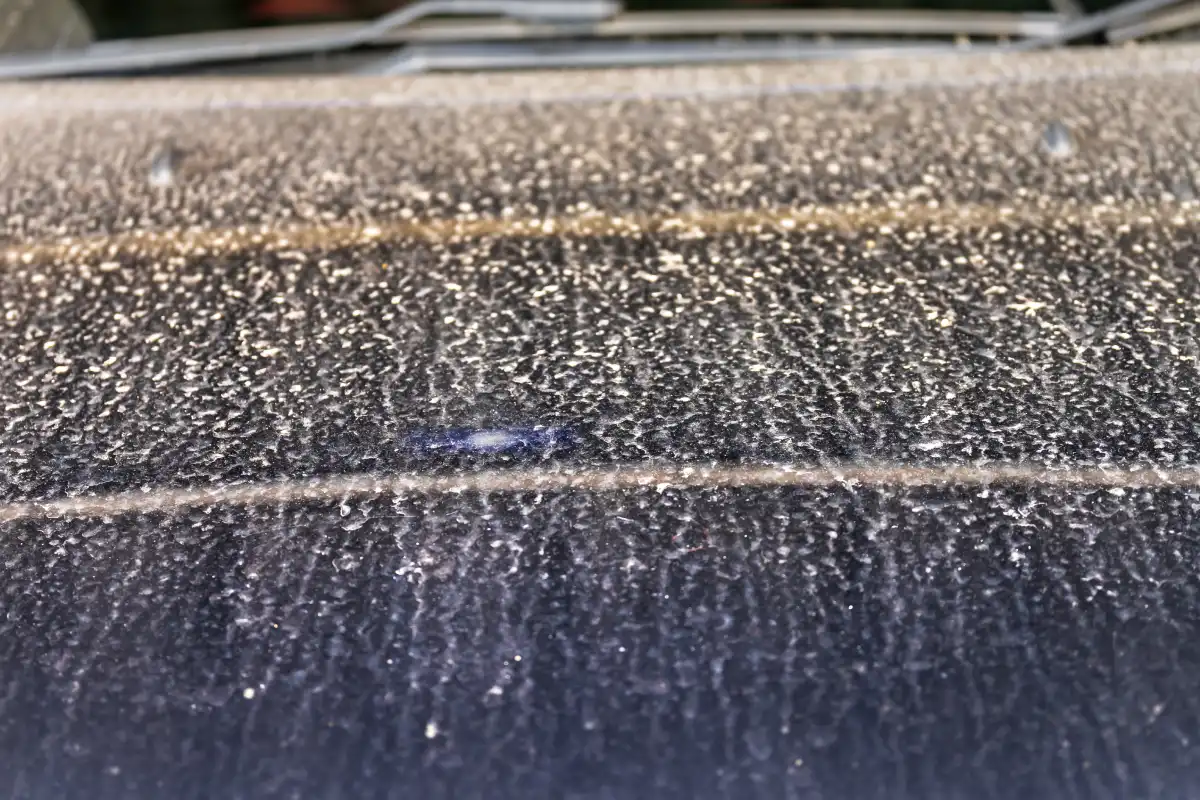
How to remove tree sap from car is a question almost every driver asks at some point, usually right after discovering a sticky spot that refuses to wash off. Tree sap contains sugars and organic compounds that bond tightly to a vehicle’s clear coat. Once exposed to sunlight and heat, the sap begins to cure and harden. This turns a small sticky spot into a stubborn resin that becomes difficult to remove. Fresh sap releases quickly, but older deposits often require stronger products or several passes to fully break down.
The good news is that you can remove tree sap safely at home with the right products and a little patience. This guide covers everything a DIY detailer needs to know, plus recommended tools and products available on Amazon so readers can get started immediately.
Sap contains sugars and organic compounds that bond tightly to a vehicle’s clear coat. Once exposed to sun and heat, the sap cures into a resin that becomes difficult to break down. The longer it stays on the paint, the harder it becomes to remove.
Early removal is always easier. Older sap deposits typically need stronger products or multiple passes.
Tree sap removal does not require advanced equipment, but having a few essential detailing products ready will make the process faster, safer, and more effective.
Microfiber towels are the backbone of safe detailing. They lift dirt gently and help reduce the risk of swirl marks during washing and product removal.
What To Look For
Pros
Cons
Recommended Use: Keep separate towels for washing, drying, and waxing to avoid cross contamination.
Bug and tar removers help break down sticky residue such as tree sap, road tar, and insect remains. These products are usually more effective than soap alone and are easy for beginners to apply.
What To Look For
Pros
Cons
Recommended Use: Keep a bottle in your detailing kit to handle sap that does not respond to basic washing.
Rubbing alcohol is a simple and affordable option for softening hardened tree sap. It is widely available and reliable when used carefully.
What To Look For
Pros
Cons
Recommended Use: Use it for small, stubborn sap spots and follow with wax to restore protection.
A dedicated car wash soap helps lubricate the surface during washing and reduces the risk of scratches. Many pH balanced formulas on Amazon work well with bucket washes and foam guns.
What To Look For
Pros
Cons
Recommended Use: Use regularly to prevent contaminants from bonding tightly to the paint.
Clay bars are designed to remove bonded contaminants that sit on the surface after washing. Many Amazon kits include both the clay bar and lubricant spray, which makes them ideal for beginners.
What To Look For
Pros
Cons
Recommended Use: Use a clay bar after sap removal if the paint still feels rough.
Wax or sealant creates a protective barrier that makes it harder for sap and contaminants to bond to the paint. There are many easy to use spray waxes and traditional liquids available on Amazon.
What To Look For
Pros
Cons
Recommended Use: Always apply wax or sealant after removing sap to replace lost protection.
Below are the safest and most effective methods used by detailers. Readers can start with the gentlest method and move up as needed.
This method works well for newer spots.
If this removes most of the residue, move directly to waxing.
Rubbing alcohol is a simple, inexpensive option that works surprisingly well.
Always follow with wax because alcohol removes any wax that was previously on the paint.
Bug and tar removers are designed to break down sticky organic residue.
Clay bars are excellent for removing thin layers of sap that remain after chemical cleaning.
They also remove bonded contaminants like tar and overspray, which makes this a good upsell for readers who want professional results.
Many internet suggestions can damage paint. Avoid:
These methods can cause scratches, hazing, or permanent clear coat damage.
If the sap was on the car for an extended period, you may notice dull spots or etched areas after removal.
Most light etching can be corrected with mild polish, which is another excellent affiliate opportunity.
This is the most effective prevention tip.
A protected surface releases contaminants more easily. Waxing also allows you to promote Amazon friendly products like spray waxes, liquid waxes, or ceramic sealants.
This is a strong affiliate category with high purchase intent.
A small bottle of quick detailer and microfiber towels lets you address sap before it hardens.
Tree sap is annoying, but it does not have to be a long term problem. With the right products, the correct technique, and a bit of patience, you can safely remove sap and restore your car’s shine at home. This also gives you multiple opportunities to recommend useful detailing products to your readers in a natural and trustworthy way.
To remove tree sap from a car without harming the paint, apply a small amount of rubbing alcohol or hand sanitizer to a microfiber cloth and gently work it over the sap until it softens and lifts from the surface.
If tree sap is not removed promptly, it can work its way into the clear coat and cause discoloration, surface etching, or long lasting damage to the paint.
Rubbing alcohol is a reliable option for removing tree sap and can break down the sticky residue effectively when used correctly.