How to Clean Car Seat Belt
SFP
Reading time: 9 minutes

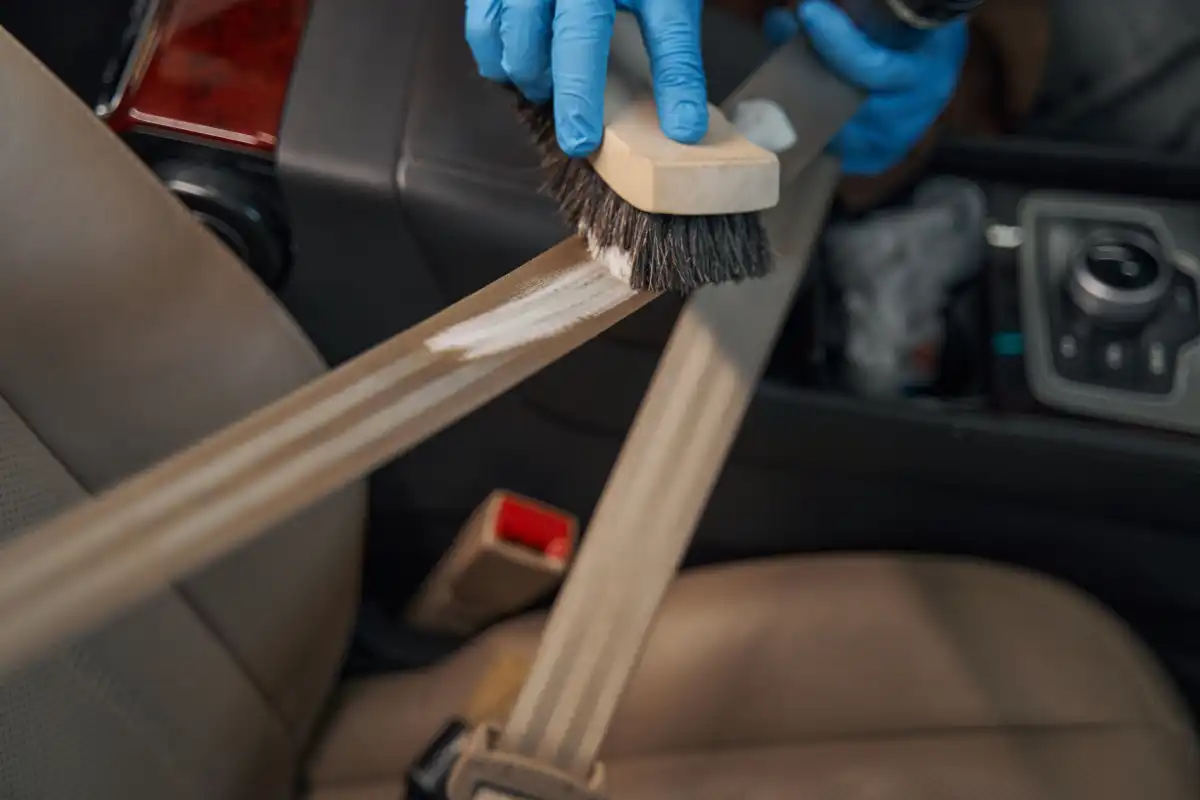
Knowing how to clean car seat belt fabric keeps it soft, odor-free, and safe to use. The process involves removing surface grime, treating stains, and fully drying the webbing to prevent mildew inside the retractor. If your seatbelt looks discolored or sticky, it’s time for a deep clean.
In this guide, you’ll learn how to clean car seat belt step-by-step, along with professional detailing methods using a carpet extractor or steam cleaner. Each technique restores your seat belts to their original color, flexibility, and smooth finish.
Knowing how to clean car seat belt material properly is essential for both appearance and safety. Over time, seatbelts collect body oils, drink spills, and grime that can stiffen the webbing or dull its color.
Before you begin cleaning, pull the seat belt all the way out and take a close look at it. The area near the buckle is often the dirtiest because that’s where hands touch most often. Compare that section to the part that stays rolled up in the retractor (you’ll likely see a huge color difference).
Your goal is to make the dirty part match the untouched section. Once you know how much work is ahead, you can gather your supplies and start cleaning.
To clean a car seat belt effectively, you don’t need anything fancy. Most of the tools are household items: all-purpose cleaner or mild soapy water, soft scrub brush (a kitchen silverware brush works perfectly), two towels (one large to protect your car’s interior and one small for wiping), small bucket of water for rinsing, clamp or clothespin to prevent the belt from retracting, hair dryer (optional) for faster drying.
If you don’t have a dual-sided brush, a regular household scrub brush will work fine. It may just take a little longer since you’ll clean each side separately.
Lay a towel over your seat and trim to catch drips. Then, pull the seat belt all the way out until it locks and use a clamp at the top to keep it from retracting. This setup keeps both hands free and prevents the buckle from swinging back into the seat.
Now comes the fun part. Spray your cleaner or soapy water directly onto the belt until it’s fully damp. Don’t hold back, seat belts are made from durable nylon that can handle moisture.
Start scrubbing from the bottom upward. If you have a dual-sided brush, clamp it around the belt and move it back and forth to clean both sides at once. Otherwise, scrub each side individually.
Keep the belt wet while you work. Periodically rinse your brush in the bucket to remove grime buildup. Continue until the belt looks evenly wet and free of visible dirt.
After scrubbing, use your smaller towel soaked in clean water to wipe away the remaining soap and dirt. You’ll probably see dark residue transfer onto the towel. That’s the embedded grime lifting out.
Rinse and repeat until the towel comes away clean. For best results, give the belt one final light spray of cleaner and then wipe again with a fresh damp cloth to remove any leftover product.
Never let a damp seat belt retract back into its housing. Trapped moisture can lead to mold, mildew, and unpleasant smells. You have two good options for drying: air dry (leave the belt extended in a sunny spot for a few hours) or blow dry (use a hair dryer on low heat to speed up the process).
Once dry, the fabric should feel smooth, flexible, and completely clean. When you compare it to the hidden section that’s been rolled up for years, they should look nearly identical.
The buckle tends to collect grime around the plastic edges. Slide it down near its stopper and wipe it clean with a damp towel. For stubborn dirt, use a small amount of cleaner or soapy water. Let it dry completely before retracting the belt.
After everything is dry, release the clamp and let the belt retract slowly. You’ll notice that the once-dingy seat belt now looks almost brand new. The fabric is clean, odor-free, and smooth to the touch.
If you pour out your rinse bucket afterward, you might be shocked by the dirty water (proof that this quick detail was long overdue).

When simple surface cleaning doesn’t do the job, a carpet extractor offers the deep-cleaning power needed to restore the belt’s original texture and look. The key is using controlled moisture and gentle techniques to avoid damaging the fibers or affecting retraction.
Steps:
Learning how to clean car seat belt material with steam is one of the safest and most effective methods for removing grime, stains, and odors without using harsh chemicals. A vapor steamer delivers high-temperature steam that breaks down dirt and bacteria while using minimal moisture, which helps preserve the strength and flexibility of the webbing. This method is ideal for detailers and enthusiasts who want a thorough, fabric-safe clean that dries quickly and leaves no chemical residue.
Tips for Steam Cleaning Seatbelts:
When done correctly, steam cleaning is one of the most efficient techniques in how to clean car seat belt fabric safely. It restores a crisp, clean look while eliminating bacteria and odors, all without relying on heavy detergents or excessive water.

Keeping your seat belts clean is one of those small detailing tasks that pays off big. Now that you know how to clean car seat belt material correctly, you can easily remove stains, odors, and sticky residue without risking damage to the webbing.
So the next time you’re detailing your vehicle, don’t overlook the belts. A clean seat belt feels smoother, looks better, and reminds you that proper car care is all about attention to the details.
The best way to clean car seat straps is to wipe them down with a damp cloth. You can use a mild cleaner such as Dawn dish detergent to remove dirt and residue. Avoid soaking the straps in water or using strong chemicals, as this can weaken the fibers and reduce the safety of the harness.
All you need is a soft, damp cloth and a small amount of mild soap or leather cleaner. Avoid abrasive products or stiff brushes, as they can scratch or dull the leather surface. Gently wipe the belt, paying extra attention to any stained or dirty areas, then allow it to air dry completely before using it again.
To clean seat belts with baking soda, first pull the belt out and clamp it to keep it extended. Mix baking soda with warm water to form a paste or a sprayable solution, apply it to the belt, and gently scrub with a soft brush. Wipe with a damp cloth to remove the mixture and allow the belt to air-dry completely before retracting to prevent mildew.