Graphene Coating: Buyer’s Guide, Types, and Best Products
SFP
Reading time: 10 minutes

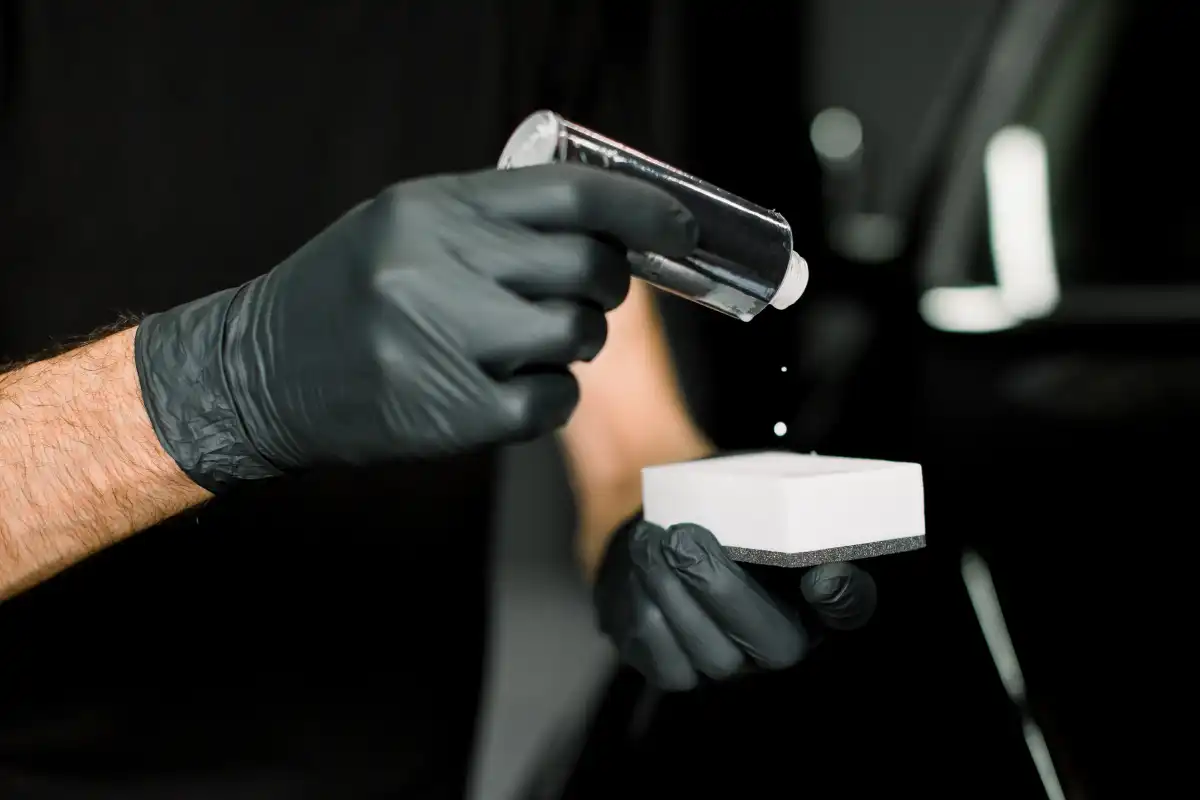
Graphene coating has become the latest “must have” upgrade, often promoted as the next step after ceramic coatings. If you spend any time on detailing forums or YouTube, you will see the same pattern. Every brand promises extreme gloss, long life, and easy application. The real question is simple. Which graphene coatings are actually worth buying, and which ones are mostly marketing?
Graphene coating is a protective automotive finish made by combining graphene oxide with a ceramic coating base. It forms a semi-permanent layer on your paint that improves gloss, reduces water spotting, resists heat, and protects the surface from contaminants.
Graphene oxide is a one-atom-thick carbon structure engineered to disperse into liquid form. When combined with ceramic ingredients, it forms a semi-permanent protective shell across your paint. The appeal is straightforward. You get a finish that resists scratching, repels water, withstands heat, and offers a high level of gloss.
From a user perspective, graphene coating feels like a slick, glossy, ultra-smooth barrier that keeps contaminants from clinging to the paint. In practice, it means less time washing and a significantly reduced chance of water spots or light marring.
Graphene coating is often considered an upgrade over ceramic coating because it improves water spot resistance, water sheeting, and heat stability. Both coatings protect paint, but graphene coatings tend to produce deeper gloss and smoother water behavior.
Graphene coating improves on ceramic coating in water spot resistance, gloss depth, and heat management.
| Feature | Ceramic Coating | Graphene Coating |
| Water Behavior | High beading | High beading with better sheeting |
| Water Spot Resistance | Moderate | Higher resistance due to lower surface heat retention |
| Durability | 2 to 5 years (varies) | 1 to 5 years depending on type |
| Gloss | Strong glossy finish | Slightly deeper, darker gloss |
| Heat Resistance | Good | Better heat dispersion and stability |
| Ease of Application | Moderate to difficult | Usually easier, depending on product type |
In general, shoppers choose graphene coating for two primary reasons: better hydrophobic sheeting and reduced water spotting.
The main types of graphene coatings are spray-on graphene coatings, DIY graphene coating kits, and professional-grade graphene coatings.
Ideal for beginners or anyone who wants an easy upgrade without complicated application steps.
Pros
Cons
These products are excellent for everyday car owners who want improved shine, good water behavior, and quick results.
Great for enthusiasts who want more durability without the price tag of professional coatings.
Pros
Cons
These kits attract detailers who already know the basics and want a longer lifecycle for their protection.
The most durable option but also the most expensive.
Pros
Cons
These products are ideal for owners who want a maximum-performance coating and are willing to pay for certified installation.
The best graphene coating depends on the user. Spray-on coatings are best for beginners, DIY kits are best for enthusiasts, and professional coatings are best for long-term durability.
Why It Stands Out: RESIST distinguishes itself with a hybrid formula that combines graphene oxide and ceramic ingredients in a single, easy spray-on application. It delivers a slick, glossy finish that many users describe as noticeably smoother than standard spray sealants. The product is designed for convenience, which makes it suitable for beginners, while still offering protection that can last several months when applied correctly. Customer reviews consistently highlight its shine, hydrophobic behavior, and simple application process.
Best For: Car owners who want a fast, user-friendly graphene spray coating. Drivers who want a noticeable shine boost without a full coating kit. Users looking for affordable protection that can serve as a topper or stand-alone layer. Anyone who prefers a product that works on multiple surfaces including paint, glass, and trim
Pros:
Cons:

Why It Stands Out: Adam’s Polishes Graphene Ceramic Spray Coating stands out as a sprayable graphene oxide ceramic coating with a very strong reputation in the detailing community. It combines graphene chemistry with a user-friendly spray format and is supported by more than five thousand ratings and a 4.5 out of 5 overall score. The inclusion of the brand’s patent pending Ceramic Glow Technology, which uses UV tracers to show where the coating has been applied, makes it easier to achieve even coverage, especially for enthusiasts working at home.
Best For: Enthusiasts who want a higher tier spray coating rather than a basic wax. Owners who maintain multiple vehicles such as cars, boats, RVs, and motorcycles. Users who appreciate visual feedback during application through UV tracers. Detailers building a mid to upper level protection option into their kit without committing to a full pro-only coating.
Pros:
Cons:

Why It Stands Out: 303 Graphene Nano Spray Coating stands out as a value-focused graphene oxide spray that aims to deliver protection beyond a typical ceramic coating at a relatively accessible price per ounce. It is designed to provide more than a year of premium protection while reducing surface temperature to help limit hard water spots. The product is also positioned as easy to apply, with the notable advantage that it can be used even in direct sunlight, and it works on multiple surfaces including paint, glass, wheels, trim, and more.
Best For: Drivers who want long lasting protection and gloss without a full ceramic coating install. Owners looking for a single spray that can be used on paint, glass, wheels, and exterior trim. Users who often work outdoors and may need to apply a coating in direct sunlight. Detailers seeking a graphene-based spray for daily drivers and frequently washed vehicles.
Pros:
Cons:

How do you apply graphene coating to a car? To apply graphene coating, wash and decontaminate the paint, correct imperfections, wipe the surface with IPA, apply the coating in small sections, and allow it to cure for several hours.
Start with a pH-neutral shampoo. Remove iron particles using an iron remover, then finish with a clay bar to eliminate bonded contaminants. A clean surface ensures proper chemical bonding.
If the paint has swirls, scratches, oxidation, or haze, polish before applying the coating. Coatings lock in whatever is underneath, so preparation determines the final result.
This removes polishing oils and residue, ensuring the surface is completely bare for maximum adhesion.
For spray-on, mist onto a microfiber towel and work in controlled sections.
For bottled coatings, apply in straight, overlapping lines using an applicator block.
Use soft microfiber towels to remove excess product before it hardens.
Most coatings require several hours of dry time and should not be exposed to water for at least 12 to 24 hours.
How long does graphene coating last? Graphene coating can last 6 months to 5 years depending on whether it is spray-on, a DIY kit, or professional grade.
Maintenance Checklist:
Proper care keeps the coating performing at its peak for the full rated lifespan.
Graphene coating is not a perfect solution. It comes with a higher upfront cost than basic waxes and sealants, and good results still depend on careful paint preparation. Many products are spray-on and user friendly, but the process still rewards patience and the right towels, applicators, and wash habits.
There is also less long term real world data compared to traditional ceramics, simply because graphene products are newer. For most drivers, these trade offs are acceptable, but shoppers should understand that marketing claims will often sound more impressive than everyday results.
Graphene coating is an excellent choice for car owners who want strong protection and better resistance to water spotting. It is especially effective for cars kept outdoors, dark-colored vehicles, and anyone who values a deep, glossy finish with lower maintenance.
For daily drivers, spray-on graphene coatings offer the best blend of value and ease. For enthusiasts, a proper graphene coating kit delivers longer durability. For luxury car owners, professional-grade graphene coatings remain the premier option.
Graphene coating is worth it for drivers who want high gloss, lower maintenance, and stronger resistance to water spots compared to traditional coatings.
With the right product and proper care, graphene coating provides long-lasting protection and a finish that consistently looks better than traditional waxes and many ceramic products.
If you want maximum protection for your vehicle’s paint, graphene coating is a strong investment. It delivers superior durability, stronger hydrophobic performance, and a deeper, more refined shine than traditional wax or standard ceramic coatings.
Disadvantages of graphene coating include a higher upfront cost, a more demanding application process that often benefits from professional experience, and limited long-term data since the technology is still relatively new.
No, you should not apply wax on top of a graphene coating because it adds no real benefit and can interfere with the coating’s hydrophobic performance by clogging the surface.