Fast and Safe Wheel Cleaning
SFP
Reading time: 10 minutes

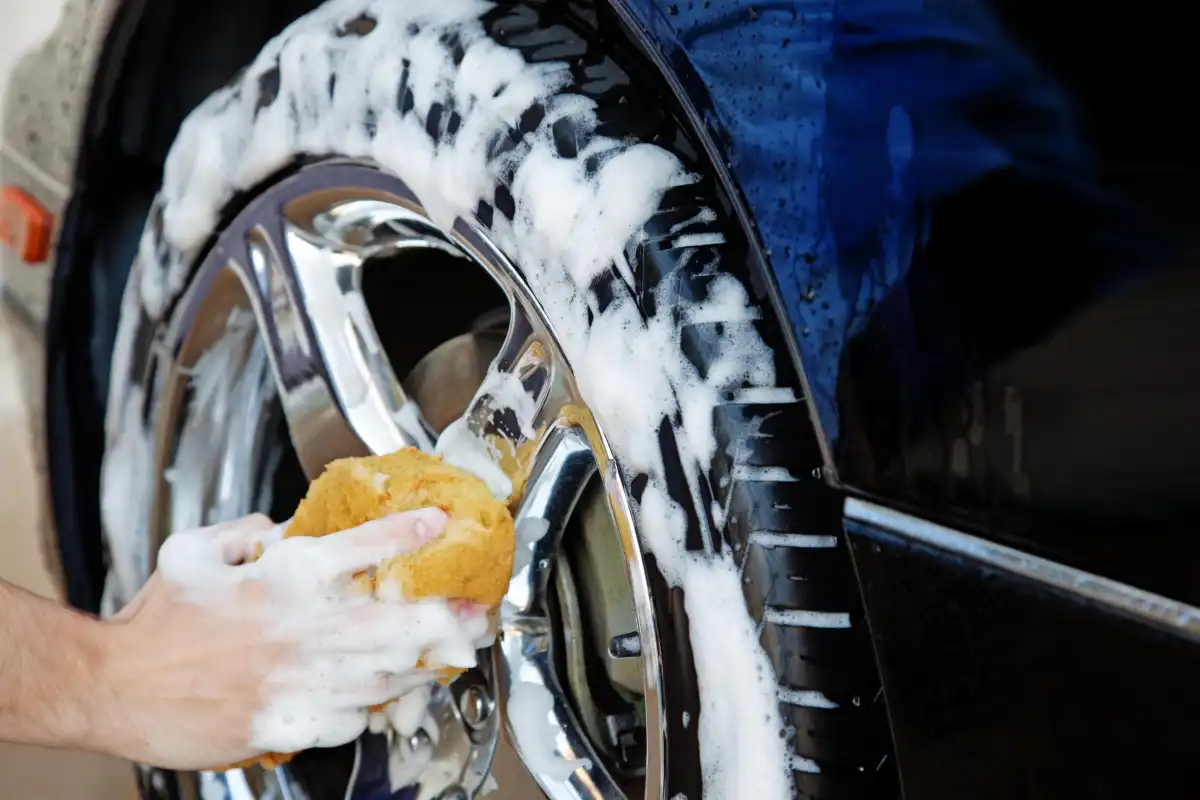
Wheel cleaning looks easy until you get close enough to see the baked-on brake dust, brown tires, and every little patch of grime that laughs at your garden hose. This guide breaks down everything you need to know about cleaning wheels and tires with confidence. Whether you are working outside with a hose or inside a garage with no running water, these steps will help you get a spotless, professional result.
Let’s get into it.
This gives beginners an immediate overview before diving into the full process.
A solid wheel and tire cleaning setup does not have to break the bank. You can start simple or upgrade to professional tools over time.
Choose tools that are safe for your wheel finish. Soft brushes protect the clear coat and painted surfaces, while a stiff brush is only for the tire sidewall.

This is the traditional method most drivers use. It provides a thorough clean and is ideal when you have access to a hose.
Spray water across the entire wheel and tire to break up loose dirt. A good rinse removes a surprising amount of brake dust and makes every step that follows more effective.
Use a pH balanced cleaner unless your wheels are heavily contaminated. Spray the product evenly across the wheel face, the lug areas, the spokes, and the inner barrel if accessible. Allow it to dwell for the recommended time on the label.
Use a soft wheel brush to clean the face of the wheel and a smaller detailing brush to reach tight spaces. Work from top to bottom so the dirty solution falls away from the areas you already cleaned.
If your brush can reach the barrel, insert it carefully and scrub the inner surface. This area collects the most brake dust and often stains more quickly than the wheel face.
Spray a dedicated tire cleaner or diluted degreaser on the rubber. Scrub with a stiff tire brush until the foam turns from brown to white. This step removes old tire dressing, road film, and embedded dirt that prevent new dressing from bonding correctly.
Rinse thoroughly until the water runs clear. Dry the wheel with a microfiber towel to prevent water spots. If available, use a small blower to remove water trapped around lug nuts and in tight crevices.
Apply a tire dressing for a clean, dark finish. Use a sealant or ceramic spray on the wheel to reduce future buildup and make cleaning easier next time.

If you live in an apartment, work in a garage, or face water restrictions, you can still clean wheels safely. This method requires more towels but delivers excellent results.
Place a towel or mat below each wheel to catch runoff and debris. Gather your tools and two buckets of clean water if possible. One bucket is for rinsing towels, the other is for fresh water.
Use a waterless wash, rinseless wash, or pH balanced wheel cleaner. Coat the wheel thoroughly so the solution can lift dirt away from the surface.
Gently scrub the wheel face, lug areas, spokes, and barrel using soft brushes. Add more solution as needed to keep the surface lubricated.
Use microfiber towels to remove loosened grime. Fold the towel frequently to expose clean sections. Avoid rubbing a dirty portion of the towel on the wheel to prevent scratching.
A pump sprayer filled with clean water creates enough pressure to rinse away residue without a hose. Spray the entire wheel until the leftover cleaner is removed.
Use microfiber towels to dry the wheel. A small handheld blower can speed up drying and remove hidden water from crevices.
Apply tire dressing for a uniform finish. Use a sealant or ceramic spray to protect the wheel surface and make future cleanings easier.

Different wheel finishes react differently to cleaners. Understanding the material prevents accidental damage.
These are the most common wheels on modern vehicles. They tolerate pH balanced cleaners and soft brushes. Avoid abrasive tools.
Durable but still sensitive to strong acids. Use pH balanced products only.
These have a two tone look created by machining the metal. They always have a clear coat on top. Avoid abrasive cleaners that could dull the finish.
These are bare metal. They oxidize easily and need gentle cleaners only. Acidic cleaners can stain them.
These benefit from mild cleaners and occasional polishing. Avoid harsh chemicals that could impact the plating.
Matte finishes cannot be polished. Use matte safe products that do not add unwanted shine.
If you want to restore your car’s body and prevent further damage, our article Car Rust Repair: Step by Step Guide breaks down the process into simple, actionable steps.

A more technical explanation helps establish authority and provides clarity for beginners.
Brake dust is a combination of metal shavings, carbon residue, and adhesive binders. It is corrosive when left on the wheel surface. Iron removers break down the metallic component, which is why they change color during use.
Acidic cleaners cut through heavy buildup but should be used cautiously.
Highly alkaline cleaners can strip protection but are effective on tires.
Wheel cleaners use surfactants to lift oily grime. They break the bond between dirt and the wheel surface.
Tires contain antiozonants that migrate to the surface to protect against cracking. When they react with oxygen, they turn brown. Tire cleaners remove this layer.

Some wheels need more than a basic wash. If you are dealing with baked-on brake dust or stubborn deposits, a deeper approach will restore the finish.
Spray an iron remover on the wheel and allow it to react. These products break down the metallic particles left by braking systems. Work in a ventilated area and avoid letting the product dry.
Continue scrubbing the tire until the foam is white. This ensures the rubber is fully cleaned and ready for dressing.
A clay bar or synthetic clay mitt can remove bonded contaminants from the wheel surface. This step is helpful for heavily neglected wheels but not required for regular maintenance.
Finish with a wheel sealant or ceramic spray to lock in the cleaning work and reduce future buildup.

Removing the wheel gives direct access to the barrel, inner spokes, and suspension areas.
Once removed, you gain full access to the wheel barrel for a thorough cleaning.

Different finishes have different needs. Use the right products to avoid damage.
Salt accelerates corrosion. Rinse wheels more frequently in winter.
Track pads produce more aggressive brake dust. Clean wheels after every event.
EVs generate less brake dust due to regenerative braking. Light cleaning is usually enough.
Ceramic coatings reduce the amount of scrubbing required. Clean with gentle products.
| Cleaner Type | When To Use | Pros | Cons | Safe On |
|---|---|---|---|---|
| pH Balanced | Routine cleaning | Safe | Not strongest | Most finishes |
| Iron Remover | Brake dust | Effective | Strong smell | Clear coat |
| Alkaline | Tires only | Removes browning | Too strong for paint | Tires |
| Acidic | Heavy grime | Powerful | Not safe on sensitive metal | Not bare aluminum |
Consistent maintenance makes each cleaning easier and prevents long-term damage.
Choose products that match your experience level and the condition of your wheels.
The right tools make a noticeable difference in both speed and results.
Wheel cleaning does not have to be complicated. Whether you are working with a hose in your driveway or cleaning indoors with a pump sprayer, the right tools and techniques will give your wheels a clean, sharp look. A few extra minutes spent cleaning and protecting your wheels pays off every time you glance back at your car and see a set of rims that look fresh and well cared for.
For related guidance on preventing etching, staining, and other surface issues, see Car Surface Damage: Complete Guide.
We recommend using a quality pressure washer for a thorough wheel clean. It rinses away dirt quickly with plain water and leaves no residue behind.
Yes, you can use Dawn to clean your rims, but it works best on lightly to moderately dirty wheels and should always be diluted with water.
Here is the process: Start by rinsing off loose dirt with a hose or pressure washer, keeping a safe distance if you use one. Apply a wheel cleaner or a mild soap and water mix, then scrub to remove brake dust, grime, and other buildup.