Car Surface Damage: Complete Guide
SFP
Reading time: 7 minutes

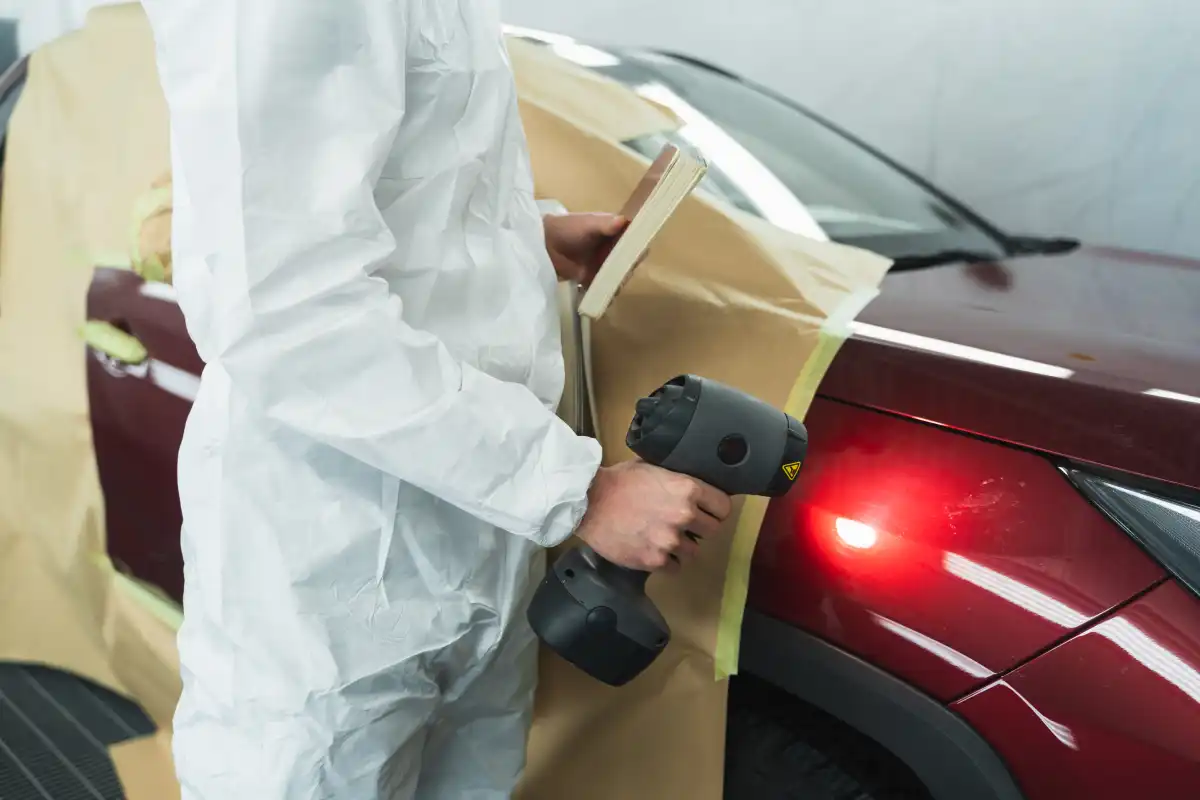
Car surface damage is one of the most common issues drivers face, yet most people never learn how to identify it or fix it correctly. Light scratches, cloudy headlights, rock chips, water spots and early rust can make a car look older long before it is mechanically worn. The good news is that most surface damage is cosmetic and repairable at home with the right steps.
This guide combines quick, snippet-ready answers with a full breakdown of every major type of surface damage. It explains what each defect means, how to fix it and when to call a professional. It also links directly to deeper repair guides for each issue.
Car surface damage refers to cosmetic defects that affect the clear coat, paint or top layer of metal. These problems include scratches, swirl marks, rock chips, water spots, oxidation, light rust and cloudy headlights. Surface damage does not affect the structure of the vehicle and is usually repairable.

These are the issues most drivers notice when they look closely at their paint for the first time.
For a full inspection method, see Surface Damage Car Repairs: DIY Fixes.

Understanding cause is the first step to preventing future damage.
This quick scale helps determine how serious your defect is.
Level 1: Light scratches, faint swirls, haze
Level 2: Visible scratches, small chips, water spots
Level 3: Heavy oxidation, etched clear coat
Level 4: Clear coat peeling or cracking
Level 5: Rust holes or weakened metal
Levels 1 through 3 can be repaired at home. Levels 4 and 5 require professional repair. If early rust is still solid, the complete process is outlined in Car Rust Repair: Step by Step Guide.This is the snippet-optimized overview:
A complete decontamination workflow can be found in Paint Decontamination: Pro Tips.Rock chips look like tiny pinpoint marks where paint and clear coat have been knocked away. They appear on the hood, bumper and side skirts.
How to fix
Apply touch up paint into the chip, allow it to level, then polish.
Full instructions: Surface Damage Car Repairs: DIY FixesLight scratches are faint marks visible in sunlight or under a phone flashlight. They do not catch on your fingernail.
How to fix
Polish with a mild or medium polish until the scratch disappears.
Complete polishing workflow: How to Do Paint CorrectionSwirls are circular micro scratches caused by improper washing. They reduce gloss and appear strongly under direct light.
How to fix
Machine polishing using a cutting pad followed by a finishing polish.
Learn the full method in How to Do Paint CorrectionDeep scratches catch on your fingernail and can expose primer or metal.
How to fix
Touch up paint, controlled wet sanding and refinement. If metal is exposed over a wide area, a body shop is safer.
Water spots appear as white mineral rings on paint or glass. Hard water leaves minerals behind when it dries.
How to fix
Use a dedicated water spot remover. Polish if etching remains.
More detail: Paint Decontamination: Pro TipsEtching causes cloudy, pitted areas after bird droppings or sap. These contaminants are acidic and react with clear coat.
How to fix
Polish for light etching. Severe etching may require spot sanding before polishing.
Oxidation causes dull or chalky paint that loses depth. It happens when UV exposure breaks down the clear coat.
How to fix
Cut and polish the oxidized layer, then seal the paint.
See the full correction guide in How to Do Paint CorrectionCloudy headlights look yellow or foggy because the outer plastic oxidizes and the UV coating wears away.
How to fix
Sand the lens in stages, polish for clarity and apply a UV protective clear coat.
Full restoration method: How to Restore Headlights: A Complete Step-by-Step Guide
Brake dust, heat and chemicals stain wheels and create rough patches or pitting.
How to fix
Use a pH balanced wheel cleaner, iron remover and a tire scrub until foam is white.
Deep cleaning process: Fast and Safe Wheel CleaningSurface rust appears as orange or brown spots where paint has been breached. The metal is still solid and repairable.
How to fix
Sand to bare metal, treat remaining rust, apply primer, paint and clear coat.
Full step by step: Car Rust Repair: Step by Step GuideA full inspection helps you understand the real condition of your paint.
For scratch evaluation and paint assessment techniques, see Surface Damage Car Repairs: DIY Fixes.If early rust is solid and limited to a small spot, follow Car Rust Repair: Step by Step Guide.
Prevention keeps your paint healthier for years.
Good habits reduce nearly all surface damage before it starts.
Surface damage happens to every daily driven car. The key is understanding what type of defect you are looking at and choosing the correct repair method. When you know how to spot scratches, chips, haze, etching and early rust, you can fix most of it quickly and prevent it from returning.
Light scratches and swirl marks caused by washing.
Yes. Sanding and polishing restores clarity and improves nighttime visibility.
Water spots become permanent only when they etch into clear coat. Early removal prevents this.
Not if using a dual action polisher and working carefully. The cut is mild and safe.
Yes. Moisture and oxygen continue to react with metal until the area is treated.