Best Window Cleaner For Cars
SFP
Reading time: 15 minutes


If you’re on the hunt for the best window cleaner for cars, you might be surprised how much of a difference the right product can make. With so many specialty car detailing products out there, it’s easy to treat window cleaning like an afterthought. Just grab some Windex and call it a day, right? Not quite.
Auto glass deals with a whole different level of grime (road film, bug splatter, and who knows what else)that your home windows never have to face. And let’s be honest, modern SUVs are basically rolling greenhouses with all that glass.
Sure, clean windows are about aesthetics, but they’re also a big deal for safety. The real question is: with so many car glass cleaners on the shelf, which ones actually get the job done?
To find the best car window cleaners, we tested each product on both a SUV and a classic coupe under real-world conditions. We looked for five things:
The five below stood out for performance, value, and ease of use.
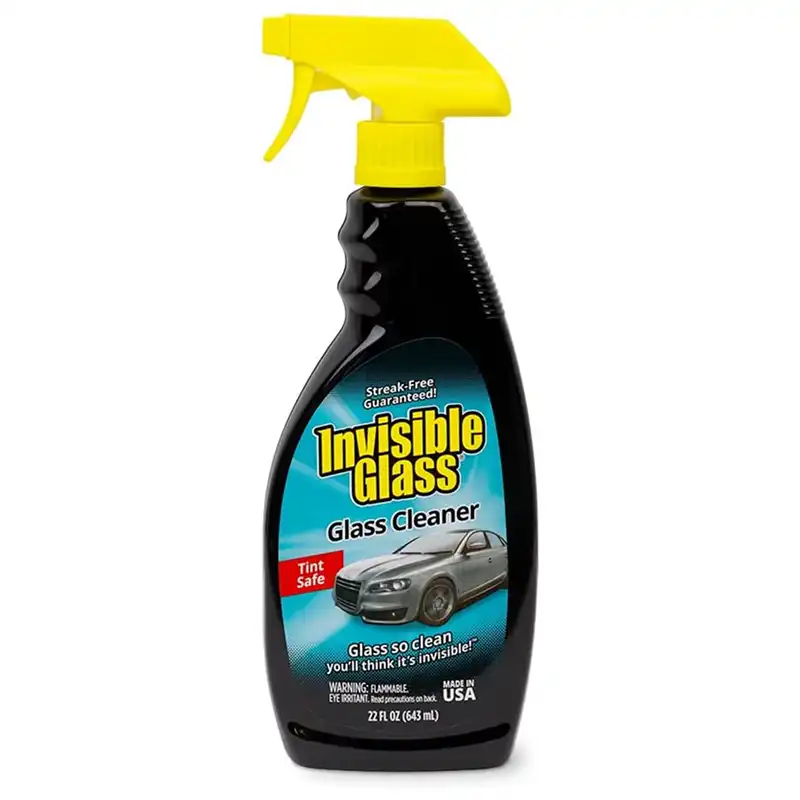
Why It Stands Out: Invisible Glass has long been a favorite among detailers for one simple reason: it works. Its Clear Dry formula contains no soaps, scents, or dyes, which means zero residue and a truly streak-free finish. It’s ammonia-free, tint-safe, and made in the USA. I love that it dries fast and doesn’t leave any film behind, even on sunny days, as long as you wipe it promptly.
Best For: Drivers who want a simple, streak-free, no-fuss cleaner that performs reliably in all conditions. Perfect for tinted windows and everyday maintenance.
Pros:
Cons:
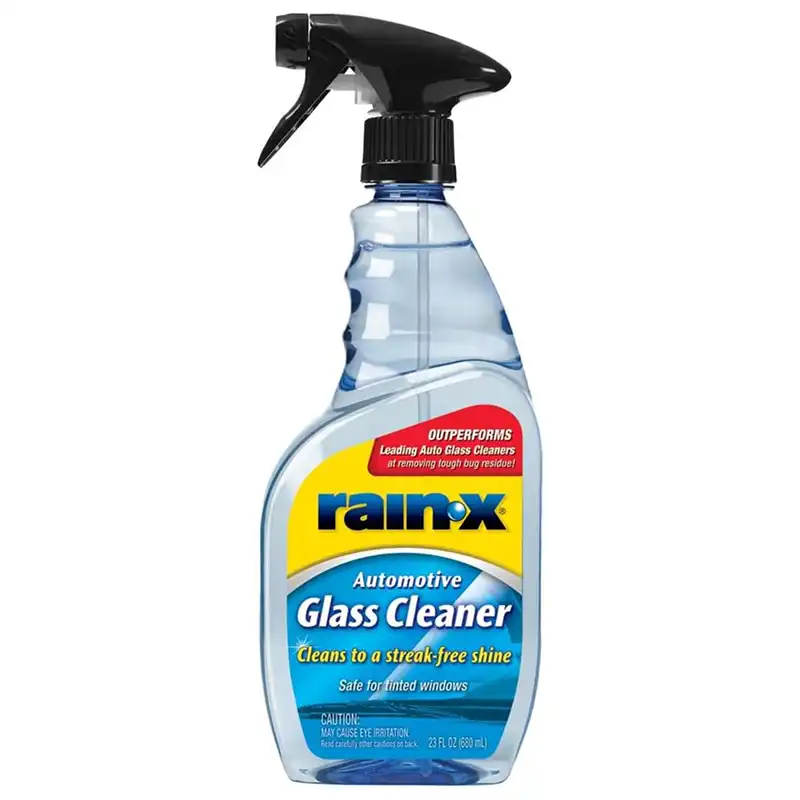
Why It Stands Out: Rain-X Auto Glass Cleaner combines cleaning and water-repelling benefits in one step. It pairs perfectly with Rain-X’s hydrophobic coatings but works well on its own too. It cuts through dirt, bug residue, and road film easily while leaving a clear, streak-free shine. It’s safe for tinted windows and ideal if you want to improve wet-weather visibility fast.
Best For: Drivers in rainy or humid climates who want a cleaner that also helps water bead and roll off without needing a separate coating.
Pros:
Cons:
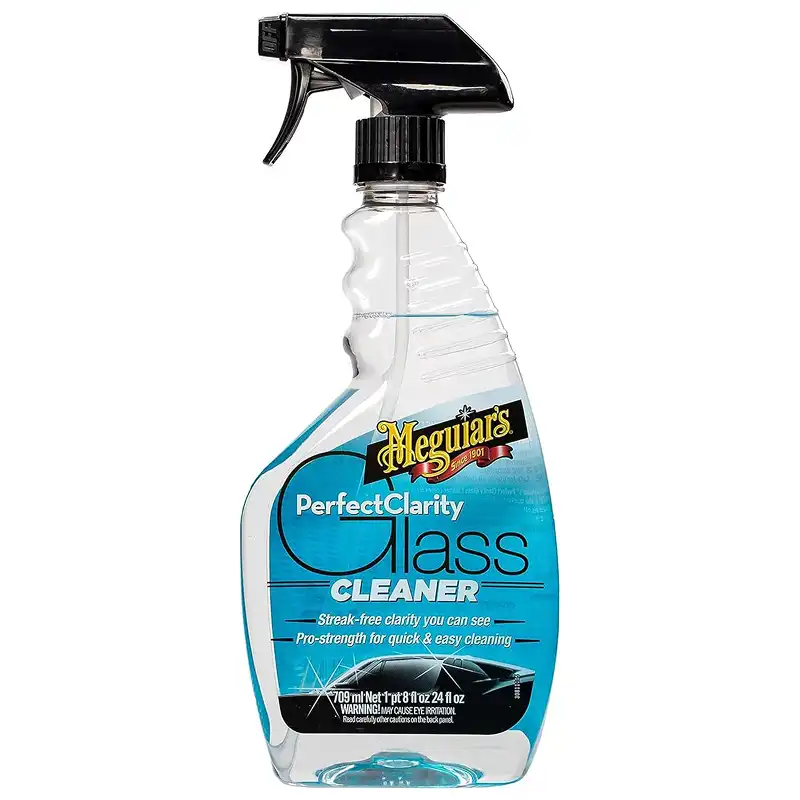
Why It Stands Out: Meguiar’s Perfect Clarity Glass Cleaner offers professional-grade performance without the high-end price tag. It’s formulated to remove tough grime like vinyl fog, smoke film, and fingerprints while preventing hazing. The anti-streak, anti-haze formula works fast and smells surprisingly pleasant—making long detailing sessions a bit more enjoyable.
Best For: Car owners looking for a reliable, budget-friendly cleaner that handles daily dirt, fingerprints, and haze with minimal streaking.
Pros:
Cons:
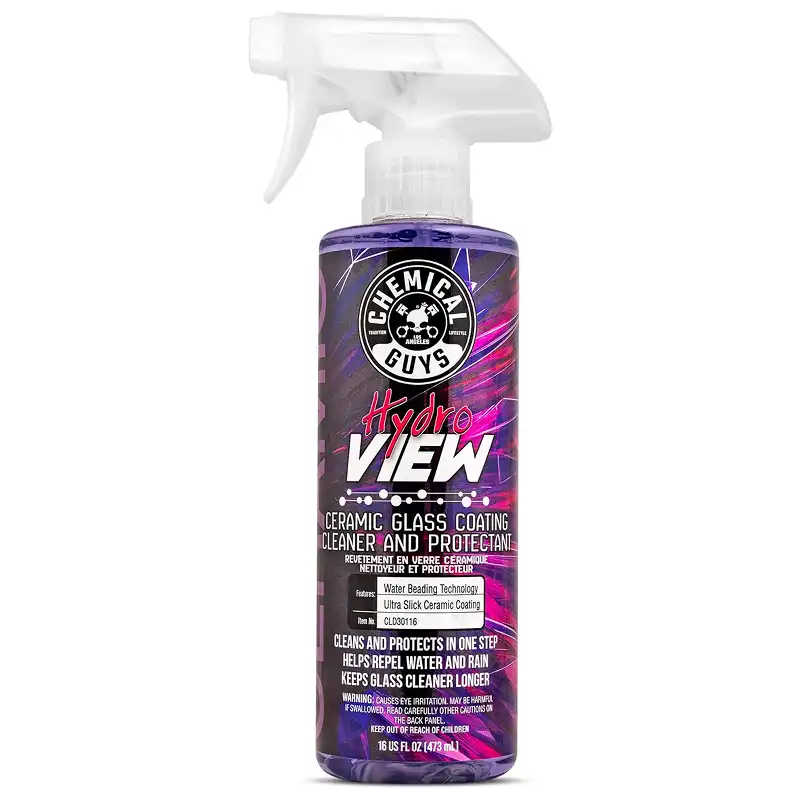
Why It Stands Out: HydroView by Chemical Guys is a true hybrid—part cleaner, part ceramic coating. It uses SiO₂ technology to leave a slick, water-repelling surface that also resists fog and grime buildup. It’s great for people who don’t want to apply a separate coating but still want that satisfying “water beads and rolls off” effect.
Best For: Detailers or enthusiasts who want a clean-and-protect solution that combines clarity, slickness, and short-term ceramic protection in one step.
Pros:
Cons:
Why It Stands Out: The 3D GLW Series SiO₂ Ceramic Glass Cleaner blends cleaning and long-lasting protection. Its SiO₂-infused formula creates a hydrophobic, anti-fog barrier that helps keep your glass cleaner for weeks. It’s designed for optical-grade clarity, and the slick finish makes it harder for dirt, dust, and water to stick in the first place.
Best For: Drivers who want extended protection and less frequent cleaning, ideal for long trips or harsh climates with frequent rain or dust.
Pros:
Cons:
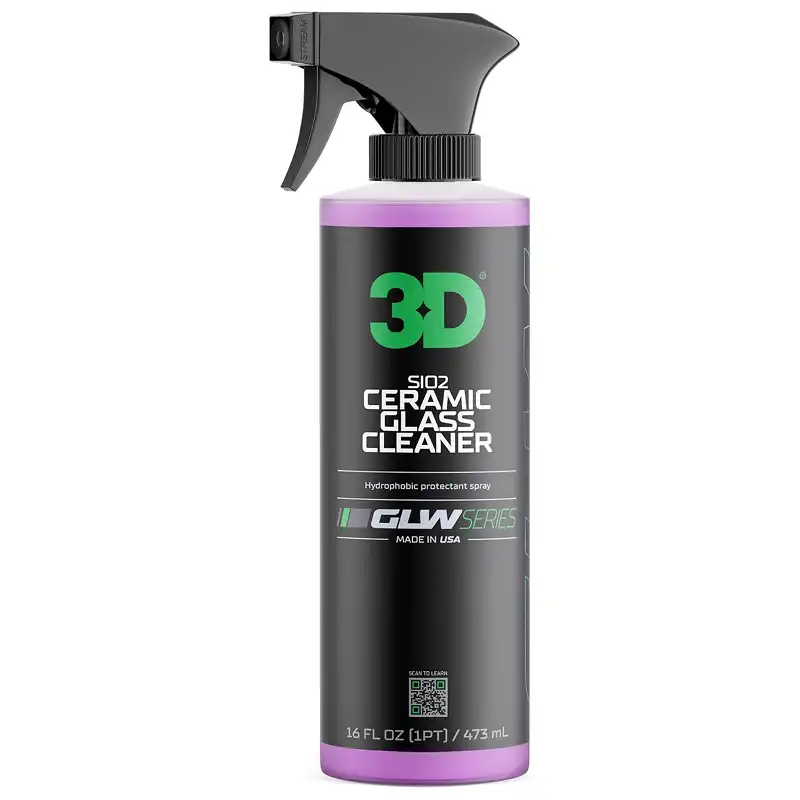
If you’re comparing top-rated glass cleaners for your car, this quick chart breaks down each option by purpose and standout features. We tested these products for streak resistance, tint safety, and real-world performance to help you pick the best match for your needs. Whether you prefer a simple spray, a budget-friendly cleaner, or a ceramic-infused coating, here’s how they stack up.
| Product | Best For | Standout Features |
| Invisible Glass Premium Glass Cleaner | Everyday use and streak-free cleaning | Ammonia-free, tint-safe formula with zero residue and fast evaporation for crystal-clear visibility. |
| Rain-X Auto Glass Cleaner | Rainy or humid climates | Combines cleaning with light water-beading protection; safe for tinted glass; complements other Rain-X coatings. |
| Meguiar’s Perfect Clarity Glass Cleaner | Budget-friendly detailing and interior glass | Anti-hazing, ammonia-free formula that removes smoke film and tough grime while leaving a pleasant scent. |
| Chemical Guys HydroView Ceramic Glass Cleaner | Clean-and-protect hybrid users | SiO₂-infused formula cleans and coats in one step, adding moderate hydrophobic protection and fog resistance. |
| 3D SiO₂ Ceramic Glass Cleaner (GLW Series) | Long-term clarity and protection | Advanced SiO₂ polymers deliver durable hydrophobic, anti-fog protection with optical-grade transparency. |
If you just want clean, streak-free glass with no hassle, Invisible Glass is your best bet.
If you live somewhere rainy, Rain-X gives you unmatched visibility.
And for the longest-lasting protection, 3D SiO₂ wins with its durable ceramic shield.
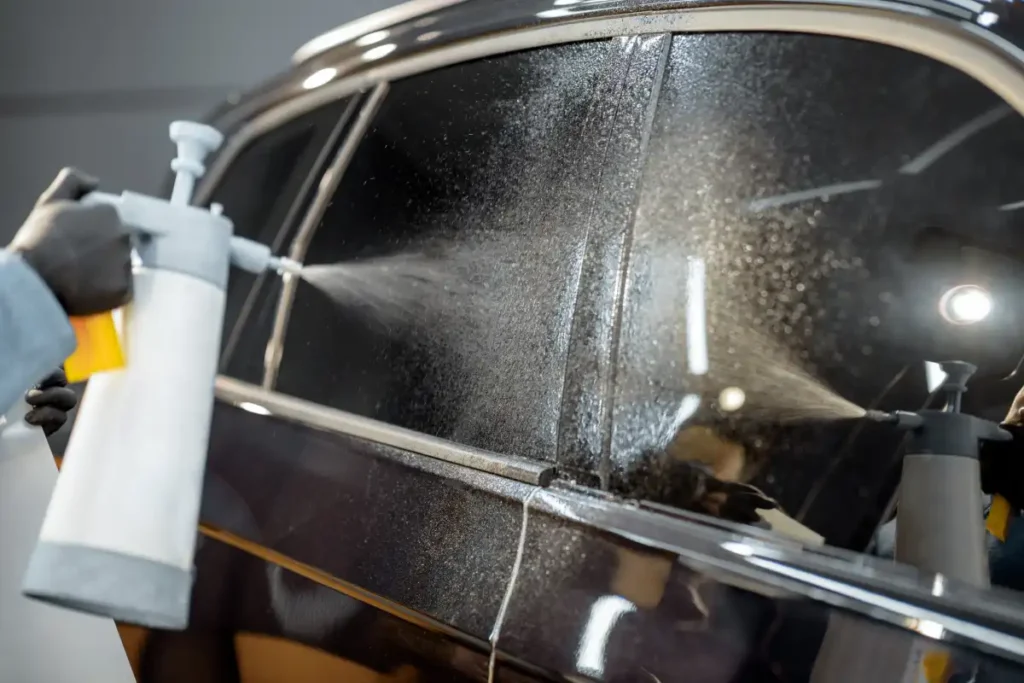
Not all glass cleaners are created equal. Some leave behind streaks, some haze up as soon as sunlight hits them, and some even damage tint. The right cleaner depends on your car, your climate, and how much effort you want to put into maintenance. Here’s what actually matters when choosing the best one for your needs.
This one’s non-negotiable. The best car window cleaners are ammonia-free, and they’ll proudly say so on the label. Ammonia might be fine for household glass, but it can wreak havoc on window tint, especially the cheaper DIY kind. Over time, it causes bubbling, fading, or that weird purple discoloration you sometimes see on older cars.
If your cleaner doesn’t explicitly say “tint-safe” or “ammonia-free,” skip it. Even a small amount of ammonia can cloud up tinted windows permanently.
If you live somewhere rainy or humid, look for a hydrophobic or ceramic-infused glass cleaner. These leave behind a slick, water-repelling layer that helps rain bead and roll off faster. You’ll notice fewer wiper streaks and clearer visibility during downpours.
On the flip side, if you’re in a dry or dusty area, a traditional streak-free spray (like Invisible Glass or Meguiar’s Perfect Clarity) might be better. Ceramic coatings can attract dust when overapplied, so keep it simple if your car spends most of its time under the sun.
Different types of cleaners suit different cleaning styles:
Spray cleaners: Great for quick touch-ups or weekly cleaning. Easy to apply and wipe off.
Foam cleaners: Ideal for deep cleans, especially if your windows collect oily residue or fingerprints. The foam clings to the surface, giving you more working time before it evaporates.
Concentrates: A good budget choice if you’re detailing multiple vehicles. Just mix with water as directed, and you’ll save money per use.
If you’re just starting out, a ready-to-use spray is the easiest and most foolproof option.
When we test glass cleaners, we focus on five simple things:
The best products hit all five points. If you’ve ever fought a cleaner that seemed to smear more than it cleaned, you know how much these details matter.
If you clean more than just glass (like infotainment screens, mirrors, or plastic instrument panels) look for a multi-surface cleaner that’s safe on both glass and interior materials. Some car-specific products are too strong for delicate displays or plastic trim, so check the label before spraying near electronics.
It’s tempting to grab a cleaner that “smells like new car,” but those added scents often come from fragrance oils that can leave an invisible film on your windshield. That film attracts dust and makes the glass fog up faster. The best window cleaners are either unscented or have a very light, clean smell that fades quickly.
There are a few good reasons to avoid using household glass cleaners on your car windows. First off, many of them contain ammonia, which can damage tinted windows, especially the aftermarket kind. Plus, they’re more likely to leave behind streaks or fogging since car interiors have different airflow and temperature conditions than your home.
More importantly, household cleaners just aren’t built to handle the kind of grime your car picks up. Bugs, tar, and bird droppings never end up on your bathroom window. A few extra bucks on a proper car window cleaner can make a big difference in clarity and safety while you’re driving.
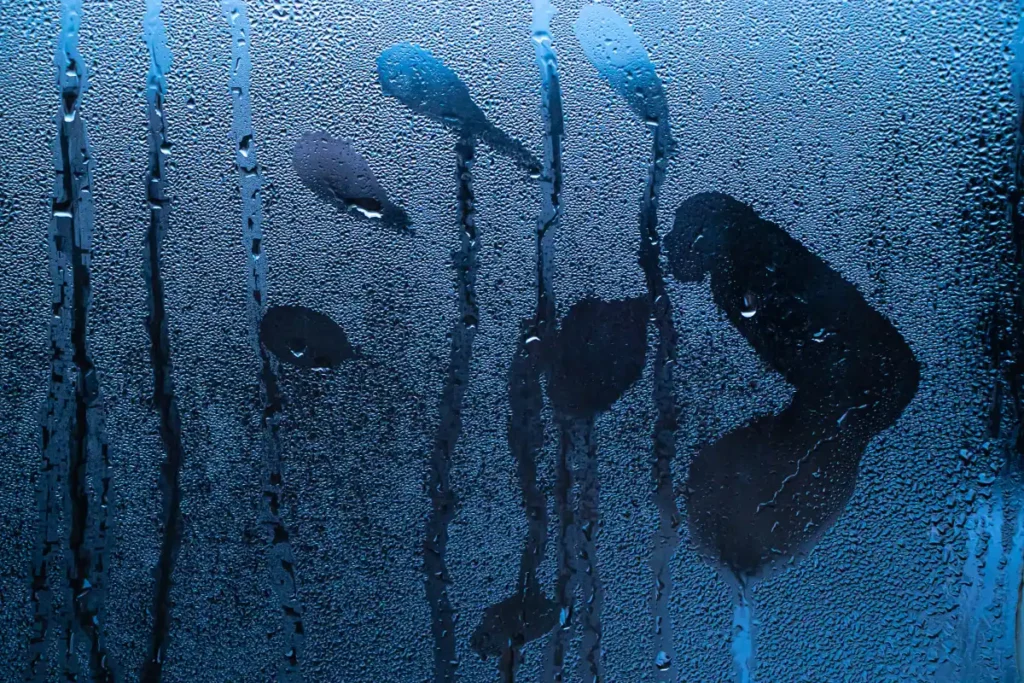
Let’s start with the “why”. Hazy windshields are most common during cooler months, especially in winter. Inside your car, it’s warm and cozy because the heater’s on, maybe even the seat warmers. Outside, it’s cold, wet, and sometimes downright freezing.
Those temperature differences create condensation on the inside of the glass. But the haze is more than just moisture. It’s a mix of off-gassed chemicals, interior oils, and airborne residues that settle onto the damp glass and bake into a film.
Here’s what’s contributing to it:
When those oily vapors hit the inside of your windshield, they mix with moisture and form a greasy film that distorts your view. It is especially noticeable at night when oncoming headlights or streetlights catch it just right.
So how does this connect to your choice of window cleaner? Automotive glass cleaners like Invisible Glass or Meguiar’s Perfect Clarity are formulated to remove that film completely, not just smear it around. Household cleaners might seem effective at first, but they often spread the residue instead of cutting through it.
If the haze keeps coming back, try using a ceramic glass cleaner such as Chemical Guys HydroView or 3D SiO2. These products leave behind a smooth, hydrophobic layer that helps prevent new buildup, so your glass stays clearer for longer.
Avoid using paper towels or multipurpose rags on interior glass. They tend to leave lint or transfer oils that make the haze worse. Use a clean, dedicated glass towel instead, and replace it regularly.
Once you have tackled the haze and restored that crystal-clear view, a few simple habits can help you keep it that way. Interior haze tends to come back when oils, fragrances, or silicone-based products build up inside the cabin, so prevention makes all the difference.
Here are a few things we recommend from experience:
If you stay on top of that, you’ll be amazed how long the clarity lasts.
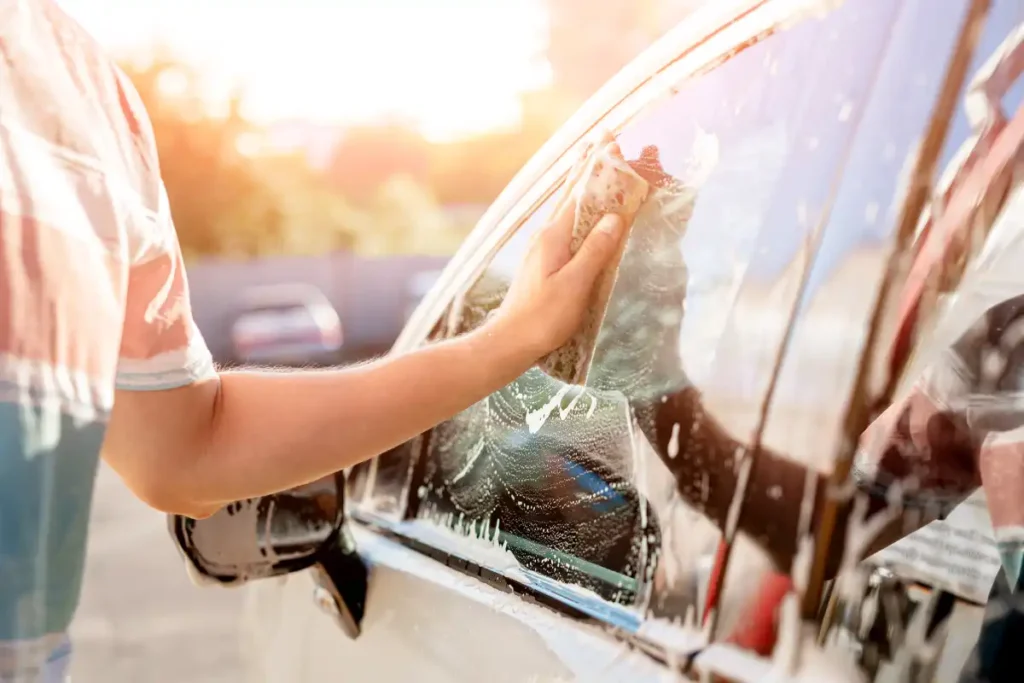
Cleaning your car windows might seem simple, but doing it right can make all the difference between a streaky mess and crystal-clear glass. Here are some practical tips to get the best results:
No matter which cleaner you choose, pair it with a clean microfiber towel, spray sparingly, and finish with a dry buff. That combination gives you the streak-free clarity that separates a freshly detailed car from one that just looks “okay”. Keep it consistent, and you’ll never dread cleaning your windows again.
To master your full detailing process, explore The only exterior detailing products guide you’ll ever need. It’s the definitive resource on exterior detailing products that protect, restore, and enhance your car’s finish.
It’s not the glass that’s at risk—it’s the tint. Ammonia can cause window tint to bubble, fade, or even start peeling over time, especially with repeated use. That’s why most car-specific glass cleaners are ammonia-free by design. They’re made to protect your tint while still cutting through the grime.
Pretty much the same way you clean the outside—just with a bit more care. Start by removing any surface dust or grime with a dry, clean microfiber cloth. Then, apply your glass cleaner to a lint-free microfiber towel (not directly on the glass) and wipe using slow, circular motions. Skip the paper towels—they can leave behind lint or even fine scratches. And don’t forget to roll your windows down a little so you can clean the top edge that’s usually hidden.
Ceramic glass cleaner is becoming a popular pick in the car detailing scene—and for good reason. It combines a traditional glass cleaner with a ceramic coating, so you’re not just cleaning your windows—you’re also adding a water-repelling layer. Some brands even claim you can skip your windshield wipers altogether, since water beads up and rolls off while you drive. It’s like giving your glass a little extra tech upgrade.